Core Muscles
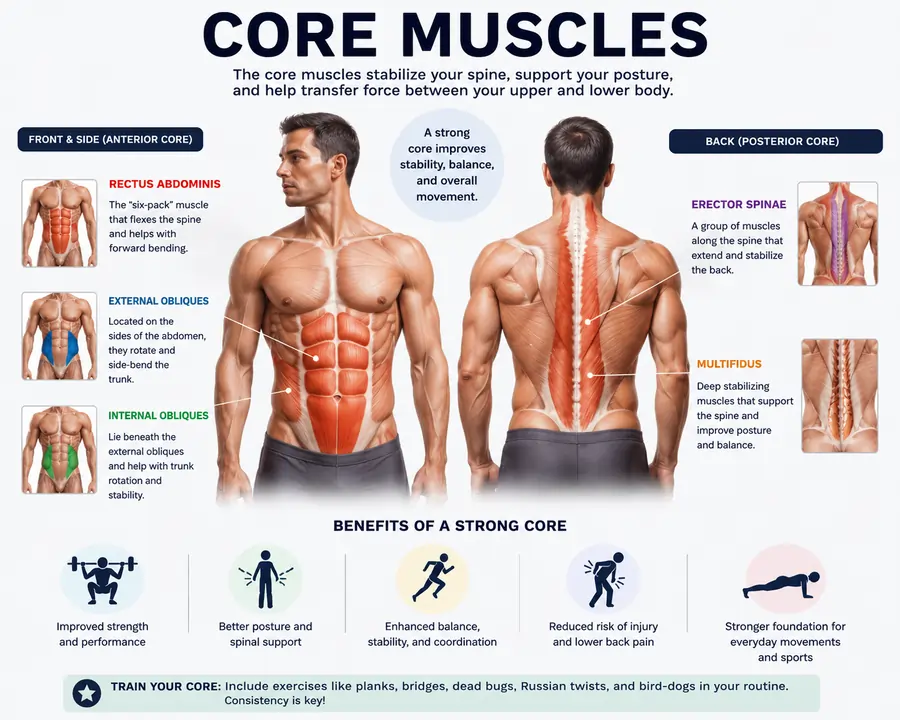
The core muscles are the central group of muscles in the body that aid in stabilizing the spine, pelvis, and trunk during movement. These muscles are crucial for maintaining posture, balance, strength, and overall bodily function. Regardless of whether you’re an athlete, an office worker, a fitness lover, or in recovery from an injury, having a strong core is vital for everyday tasks and physical performance.
A robust core enhances athletic performance and lowers the likelihood of injuries, particularly in the lower back. Core muscles play a role in nearly every body movement, including walking, bending, lifting, and twisting. Knowing the anatomy and function of core muscles can enable you to train them efficiently and boost your overall health.
The muscles that surround the abdomen, pelvis, lower back, and hips are known as core muscles. Together, these muscles support the spine and keep the body stable when moving.
Although the abdominal “six-pack” muscles are frequently the only muscles connected with the core, the core actually consists of some deep and superficial muscles that support stability and strength.
Table of Contents
Anatomy of Core Muscles
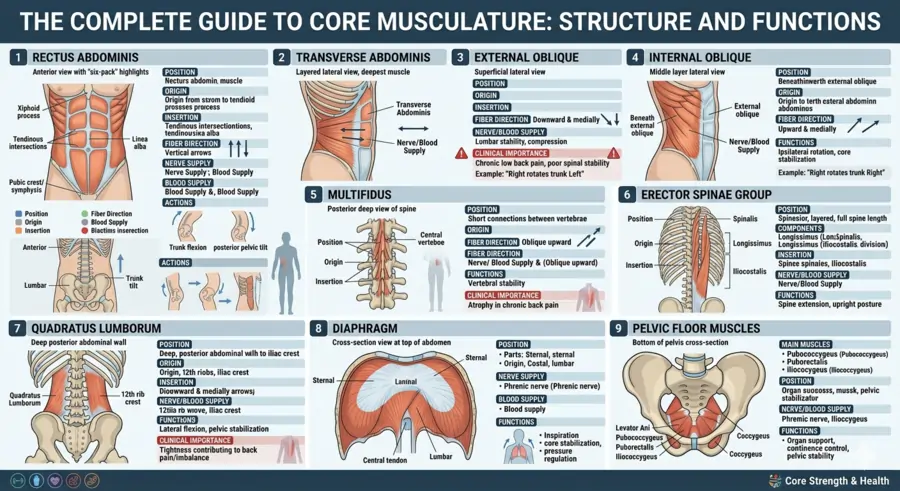
The complex collection of muscles that surround the lower back, hips, pelvis, and abdomen is known as the core muscles. Together, these muscles assist movement, preserve posture, stabilize the spine, and transfer force between the upper and lower bodies. Almost all physical activities require the core, which serves as the body’s primary support system.
Depending on where they are located and what they do, core muscles are separated into deep and superficial categories.
Layers of Core Muscles
The core muscles can be categorized into:
1. Deep Core Muscles
These muscles are located close to the spine and provide stability and support.
Main Deep Core Muscles:
- Transverse Abdominis
- Multifidus
- Diaphragm
- Pelvic Floor Muscles
2. Superficial Core Muscles
These muscles are larger and responsible for movement and power generation.
Main Superficial Core Muscles:
- Rectus Abdominis
- External Obliques
- Internal Obliques
- Erector Spinae
- Quadratus Lumborum
1. Rectus Abdominis
The rectus abdominis is the most recognizable abdominal muscle, often called the “six-pack” muscle.
Location
- Extends vertically along the front of the abdomen
- Runs from the pubic bone to the ribs and sternum
Origin
- Pubic crest
- Pubic symphysis
Insertion
- Xiphoid process of the sternum
- Costal cartilages of ribs 5–7
Nerve Supply
- Thoracoabdominal nerves (T7–T12)
Functions
- Flexes the trunk
- Assists in forced expiration
- Stabilizes the pelvis
- Supports posture
2. Transverse Abdominis
The transverse abdominis is the deepest abdominal muscle.
Position
- Located beneath the internal oblique muscle
- Wraps horizontally around the abdomen
Origin
- Thoracolumbar fascia
- Iliac crest
- Lower six ribs
- Inguinal ligament
Insertion
- Linea alba
- Pubic crest
Nerve Supply
- Thoracoabdominal nerves
- Iliohypogastric nerve
- Ilioinguinal nerve
Blood Supply
- Intercostal arteries
- Deep circumflex iliac artery
Functions
- Stabilizes the lumbar spine
- Compresses abdominal contents
- Increases intra-abdominal pressure
- Supports posture
3. External Oblique
The external oblique is the largest superficial lateral abdominal muscle.
Position
- Located on the sides of the abdomen
- Superficial to internal oblique
Origin
- External surfaces of ribs 5–12
Insertion
- Iliac crest
- Linea alba
- Pubic tubercle
Fiber Direction
- Downward and medially
Nerve Supply
- Thoracoabdominal nerves
Blood Supply
- Lower posterior intercostal arteries
Functions
- Contralateral trunk rotation
- Trunk flexion
- Side bending
- Abdominal compression
4. Internal Oblique
The internal oblique lies beneath the external oblique.
Position
- Middle abdominal muscle layer
Origin
- Thoracolumbar fascia
- Iliac crest
- Inguinal ligament
Insertion
- Lower ribs
- Linea alba
- Pubic crest
Nerve Supply
- Thoracoabdominal nerves
- Iliohypogastric nerve
- Ilioinguinal nerve
Blood Supply
- Lumbar arteries
- Deep circumflex iliac artery
Functions
- Ipsilateral trunk rotation
- Lateral flexion
- Core stabilization
5. Multifidus
The multifidus is a deep spinal stabilizing muscle.
Position
- Deep to erector spinae
- Along the vertebral column
Origin
- Sacrum
- Transverse processes
- Mammillary processes
Insertion
- Spinous processes of vertebrae
Nerve Supply
- Dorsal rami of spinal nerves
Blood Supply
- Lumbar arteries
Functions
- Stabilizes vertebrae
- Controls spinal movement
- Supports posture
6. Erector Spinae
The erector spinae group consists of:
- Iliocostalis
- Longissimus
- Spinalis
Position
- Runs vertically along the spine
Origin
- Sacrum
- Iliac crest
- Lumbar vertebrae
Insertion
- Ribs
- Cervical vertebrae
- Skull
Nerve Supply
- Posterior spinal nerves
Blood Supply
- Posterior intercostal arteries
- Lumbar arteries
Functions
- Extends spine
- Maintains upright posture
- Assists side bending
7. Quadratus Lumborum
The quadratus lumborum is a deep posterior abdominal wall muscle.
Position
- Between the iliac crest and the 12th rib
Origin
- Iliac crest
- Iliolumbar ligament
Insertion
- 12th rib
- Lumbar transverse processes
Nerve Supply
- T12–L4 spinal nerves
Blood Supply
- Lumbar arteries
Functions
- Lateral trunk flexion
- Pelvic stabilization
- Rib stabilization during breathing
8. Diaphragm
The diaphragm is the main respiratory muscle and an essential component of the core.
Position
- Separates the thoracic and abdominal cavities
Parts
- Sternal part
- Costal part
- Lumbar part
Origin
- Xiphoid process
- Lower ribs
- Lumbar vertebrae
Insertion
- Central tendon
Nerve Supply
- Phrenic nerve (C3–C5)
Blood Supply
- Pericardiophrenic artery
- Musculophrenic artery
Functions
- Inspiration
- Core stabilization
- Intra-abdominal pressure regulation
9. Pelvic Floor Muscles
Main Muscles
- Levator ani
- Coccygeus
Levator Ani Components
- Pubococcygeus
- Puborectalis
- Iliococcygeus
Position
- Bottom of the pelvic cavity
Nerve Supply
- Pudendal nerve
Blood Supply
- Internal pudendal artery
Functional Roles of Core Muscles
- Spinal Stability:
Ensures proper alignment of the vertebrae. - Posture Control:
Maintains an upright and balanced body position. - Force Transfer:
Facilitates the transfer of power between the upper and lower body. - Balance and Coordination:
Aids in maintaining stability during movement. - Breathing Support:
Collaborates with the diaphragm in the process of breathing. - Protection of Internal Organs:
Offers support and safeguards abdominal organs.
Core strengthening exercise
You must focus on strengthening both the smaller, deep (Local) muscles and the outer (global) muscles. All these muscles work together to help stabilize your spine and pelvis, which in turn reduces low back pain, stabilizes your spine, and prevents injuries.
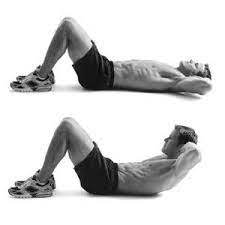
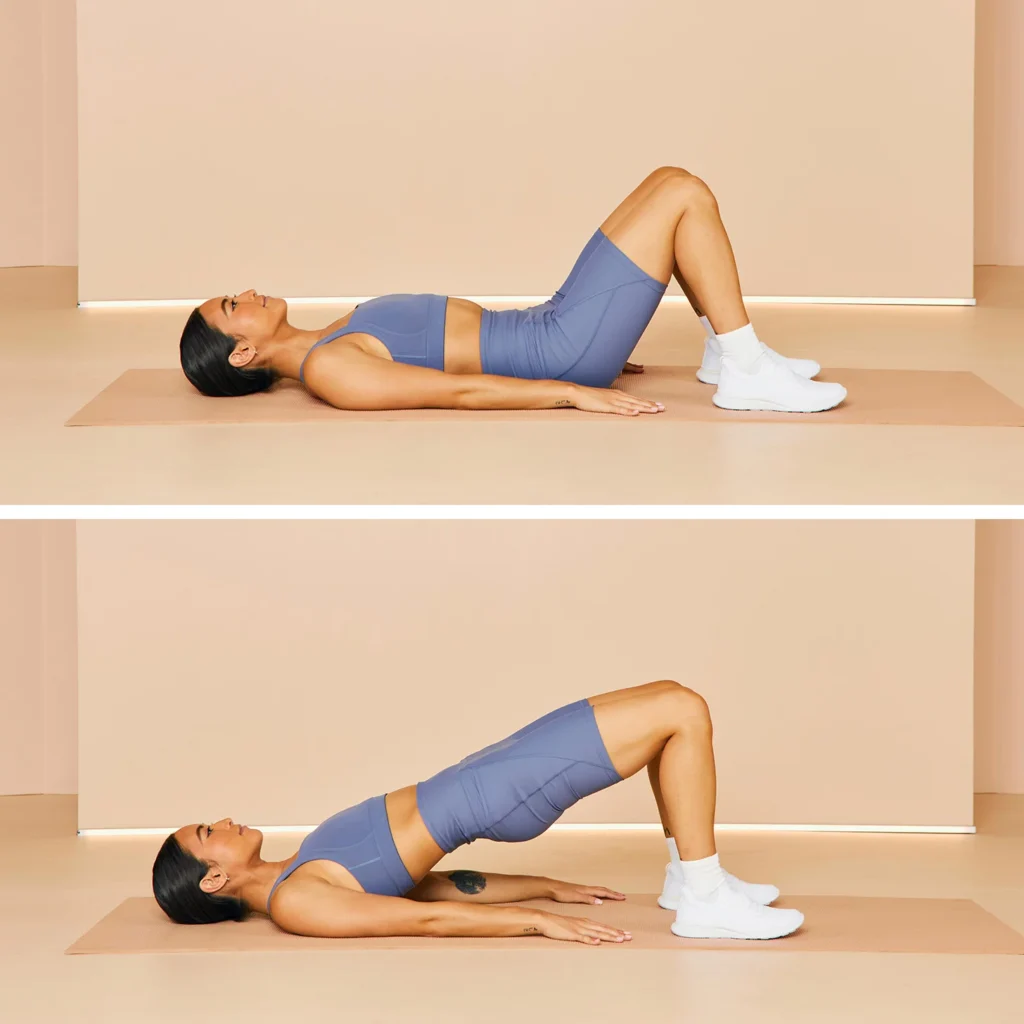
- Abdominal crunch
- Bridge
- Single-leg abdominal press
- Double-leg abdominal press
- Quadruped
- Modified plank
- Side plank
- Opposite arm and leg raise
- Abdominal crunches
FAQs
What are core muscles?
Core muscles include the abdominal muscles, back muscles, pelvic floor muscles, diaphragm, and hip muscles that help stabilize the spine and pelvis during movement.
Can core exercises help with back pain?
Yes, proper core strengthening can support the spine, improve posture, and reduce certain types of lower back pain.
Can core workouts help improve posture?
Yes, strong core muscles help maintain spinal alignment and support proper posture during daily activities.
Why is core muscle strengthening important?
Core strengthening improves posture, balance, stability, athletic performance, and helps reduce the risk of back pain and injuries.
Do core muscles only include abdominal muscles?
No, the core also includes muscles of the lower back, pelvis, hips, and diaphragm that work together for stability.
What mistakes should I avoid during core training?
Common mistakes include holding your breath, using poor posture, moving too quickly, and overtraining without rest.
Can core exercises help reduce lower back pain?
Research suggests that strengthening the core can improve spinal support and reduce chronic lower back discomfort in many individuals.
References
- Nitesh Dhameliya. (2023). List of Core muscles: Major, Minor Muscles List, Function. Mobile Physiotherapy Clinic. https://mobilephysiotherapyclinic.in/list-of-core-muscles/
- Turetsky, L., & Turetsky, L. (2023, November 1). 6 Exercises to strengthen lower back and core muscles. Back Intelligence (Creators of PostureFlow App). https://backintelligence.com/exercises-to-strengthen-lower-back/
- Neumann DA.
Kinesiology of the Musculoskeletal System: Foundations for Rehabilitation and Research. 4th Edition. St. Louis: Elsevier; 2024. - Kisner C, Colby LA, Borstad J.
Therapeutic Exercise: Foundations and Techniques. 8th Edition. Philadelphia: F.A. Davis; 2023. - Magee DJ.
Orthopedic Physical Assessment. 7th Edition. St. Louis: Elsevier; 2021. - MedlinePlus – Exercise and Physical Fitness

10 Comments