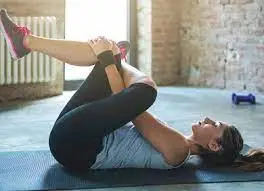
Glute Strengthening Exercises For Weak Hips
Weak hips can affect balance, posture, walking, and everyday movements. Strengthening the glute muscles can help improve hip stability, support the pelvis, and make lower-body movements more efficient.
Due to prolonged sitting and little exercise, many people develop weak or rigid hips. Conversely, athletes who abuse their hips may also suffer from pain and damage.
It might be challenging to choose the best hip exercises for you because there are so many available. We’ve got you covered.
Weightlifters, hikers, runners, older people, and those with arthritis can all benefit from these 14 top hip exercises.
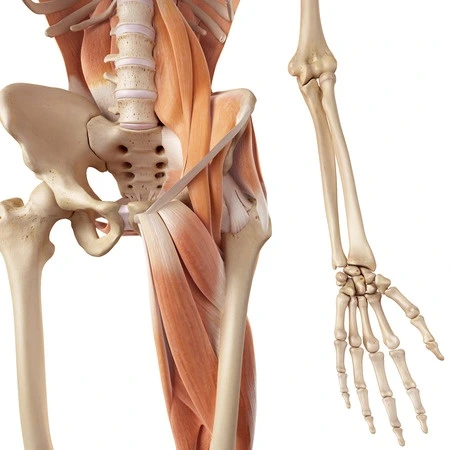
The main muscles in your lower body are the gluteus maximus, medius, and minimus. They support your lower back, hips, and pelvis and are found on and around your buttocks and hips, each of which has a special function in your stability. Including bodyweight glute exercises in your program can help prevent and manage pain as well as promote healthy mobility.
The finest aspect? To strengthen your glutes, you don’t need a gym or expensive equipment. These at-home glute workouts are easy, efficient, and made to fit into your daily schedule no matter where you are.
Table of Contents
Which muscles need to be your focus?
To improve strength and increase your hip strength, work on the following:
- The gluteus medius is the main hip side muscle, whereas the gluteus maximus is the main hip extensor muscle.
- In simple terms, you will be stretching and flexing the sides of your pelvis and back.
- It is not recommended to overwork the tensor fascia latae, which normally sits right in front of the hip joint. Overuse of this muscle may result in unanticipated back, hip, or knee pain.
Men and women may concentrate on the same muscle areas. Males typically have tighter hips than women, though it could vary. Anyone with rigid, inflexible hips should begin cautiously and gradually increase.
Warm-up exercises
Before beginning more strenuous activities, this increases the flexibility and activity of these muscles and enhances circulation.
The warm-up exercises listed below are an excellent place to start:
1. Frankenstein walk
Your hips, quadriceps, and hamstrings will all get larger with this type of workout. Additionally, it improves range of motion. Keep your posture straight, don’t bend at the waist, and accelerate as you advance.
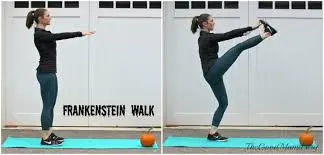
Steps:
- With your hands facing down, extend your arms in front of you.
- As you go forward, make a 90-degree angle with your body by swinging your right leg up and extending it straight out.
- Raise your left leg in the same way that you dropped your right leg to the ground.
- If there isn’t much space, turn around and continue for a minute.
- You can do several sets of ten to twelve repetitions for each leg.
Stretch your arm behind you and touch the foot on the other side when you feel comfortable doing so.
2. Hip circles
Stability and flexibility are enhanced by this workout. For greater support, use a stable object.
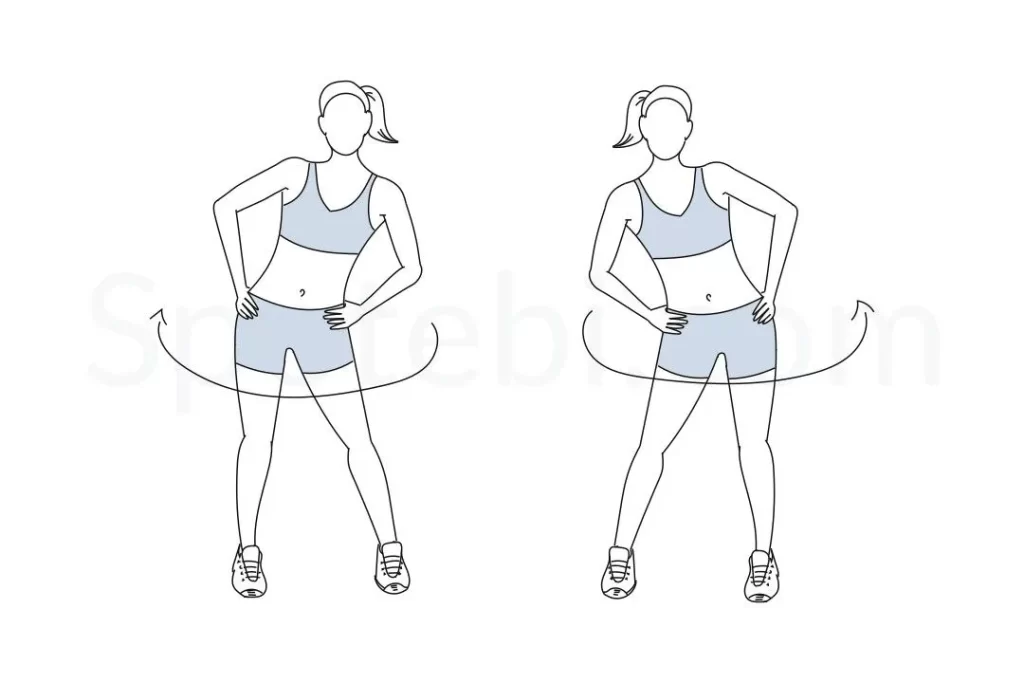
Steps:
- Stand on your right leg after lifting your left.
- Use your left leg to make circles.
- In each direction, make twenty circles.
- Next, move to your right leg.
- For each leg, you can perform two or three sets of ten to fifteen rotations.
Increase the ring size and do two or three sets to make this exercise more difficult.
3. Band exercises
You’ll need a resistance band for these workouts. Use a thicker band to raise the resistance.
1. Sidestep exercise
Keep your hips and toes pointed straight forward. When decreasing the band till it is between your ankles, you may intensify your squat.
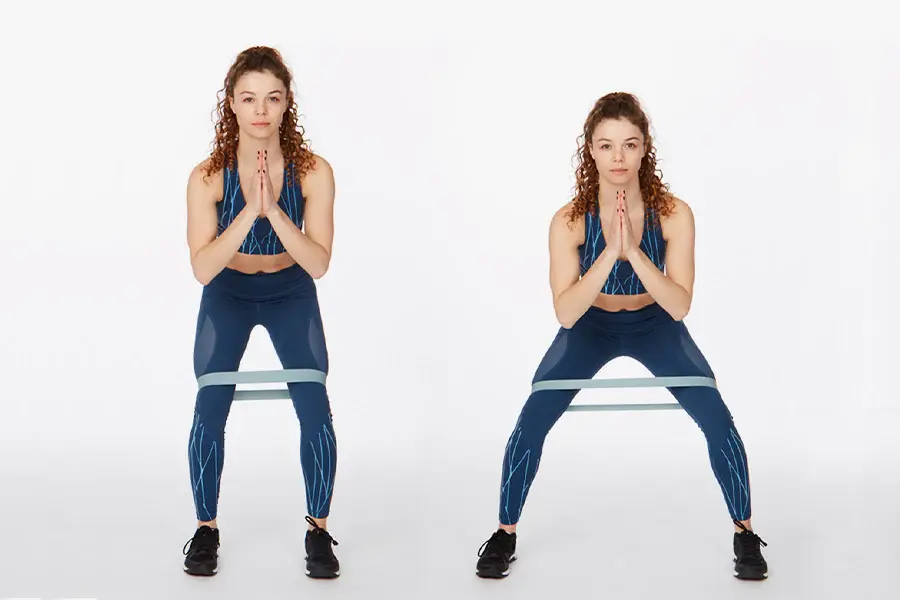
Steps:
- Place a resistance band across your lower thighs and stand in a half-squatting position.
- Take small, gentle steps to the side using your hip muscles.
- Take eight to fifteen steps in one direction.
- Perform on the other side after that.
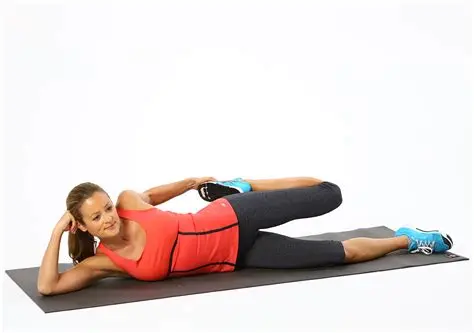
2. Clamshell exercise
Your hips, thighs, and glutes will all get stronger with this exercise. By relieving lower back strain and supporting your pelvic muscles, it helps prevent overuse and injury. Try a few adjustments after you’ve mastered the fundamental position.
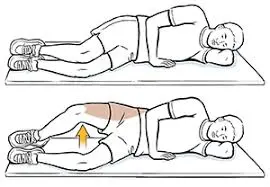
Steps:
- Place an opposition band around your lower thighs while resting on your side with both knees straight.
- After you’ve rotated your upper leg as high as you can, take a little break.
- Return to the starting position.
- Do eight to fifteen repetitions in one to three sets.
4. Exercises with weights
1. Lateral step-up
Lie on your side with both knees bent, and place a resistance band close to your lower thighs. To enhance the intensity, add more weight.
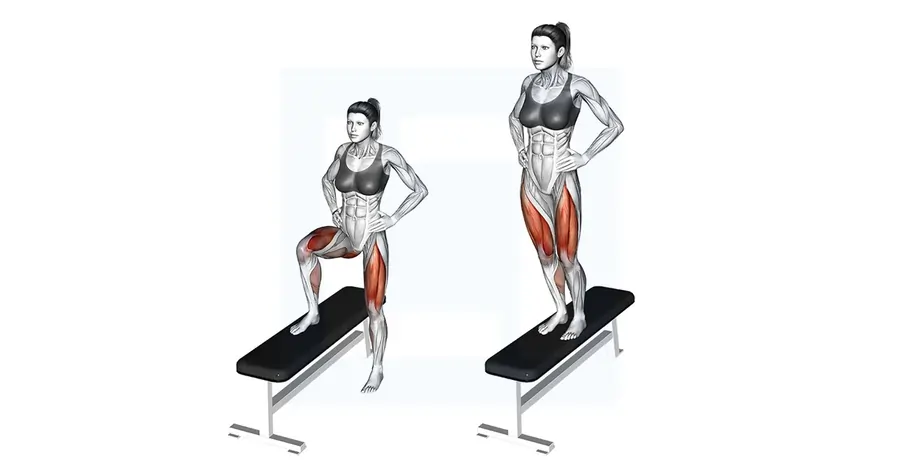
Steps:
- Hold a balanced plate or dumbbell in front of your chest with both hands.
- To your right, construct a bench or box.
- Place your correct foot on the table and bend your knee.
- Keeping a straight posture, place your left foot firmly on the bench.
- Return your left foot to the floor slowly.
- Eight to fifteen repetitions on each side can be done in two or three sets
2. Romanian one-leg deadlifts
Your hip mobility, balance, and core strength will all improve with this exercise. It also strengthens your glutes and hamstrings.
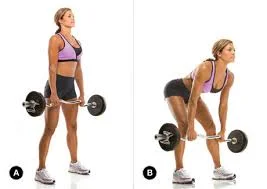
Steps:
- Keeping your knee slightly bent, lie on your right side. Hold a standard dumbbell with your left hand.
- As you lean forward to align your body with the floor, maintain a neutral spine. Raise your left leg.
- Go back to standing up straight. Lower your left leg.
- Perform eight to fifteen repetitions on each side in two to three sets.
5. Senior Exercise
By enhancing balance, coordination, and movement patterns, these activities can help reduce the risk of falls and injuries.
1. Hip marching
Your thighs and hips will become more flexible and strong after doing this workout.
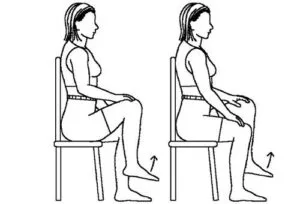
Steps:
- Stand at the front edge of the chair.
- Keeping your knee bent, extend your left leg to the highest point as you can.
- Slowly and carefully lower your foot.
- Work on the right side after that.
- This occurs once.
- Do five to twelve repetitions in two to three sets.
2. Lying hip flexor stretch
Your thighs, glutes, and hip flexors are all stretched by this workout.
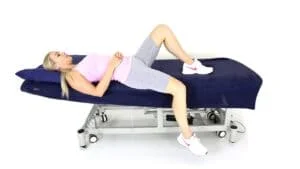
Steps:
- Lie on your back.
- Pull your right leg into your chest.
- Feel your hip extend as you press the back of your left knee into the ground.
- For up to 30 seconds, maintain this posture.
- Repeat two to three times on each side.
6. Activities for people with arthritis
Stretching every day, even for a short period of time, is recommended if you have arthritis. Stretching should be done every day, not just a few times a week, if you have arthritis.
1. Butterfly stretch
This workout increases blood circulation while stretching your hips.
To assist the pelvic tilt, place your sitting bones on the edge of a folded blanket or pillow. Put pillows or blocks beneath your thighs for support if you feel constricted.
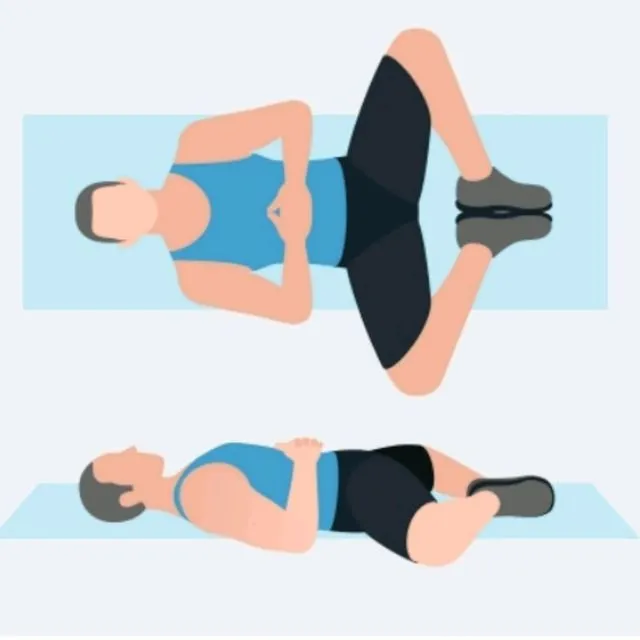
Steps:
- Bend your knees and place the soles of your feet together while seated.
- Put your fingers together beneath your feet. Using your elbows, gently press your knees to the ground.
- Feel a hole in your hips as you let go of part of the tension.
- After 30 seconds, fold your arms forward and stretch them in front of you.
- Maintain this position for no more than a minute.
- Bringing your heels closer to your body can help you get a deeper stretch.
2. Knee-to-chest stretch
This position expands your hips and stabilizes your pelvis.
For additional support, place your head on a flat pillow or folded blanket. Put your hands over the backs of your thighs if you are unable to extend your arms around your shins.
One leg at a time, with the other leg bent at the knee or extended straight out, will make the exercise easier.
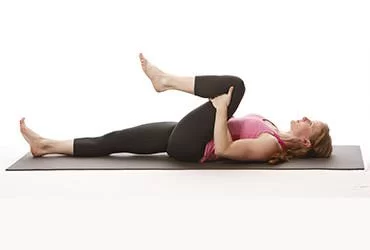
Steps:
- Bend your knees toward your chest while lying on your back.
- To grasp your hands, forearms, or elbows, put your arms around your legs.
- To extend the back of your neck, gently tuck your chin toward your chest.
- For up to 30 seconds, kindly maintain this posture.
- This kind of stretch may be performed two or three times.
7. Running exercises
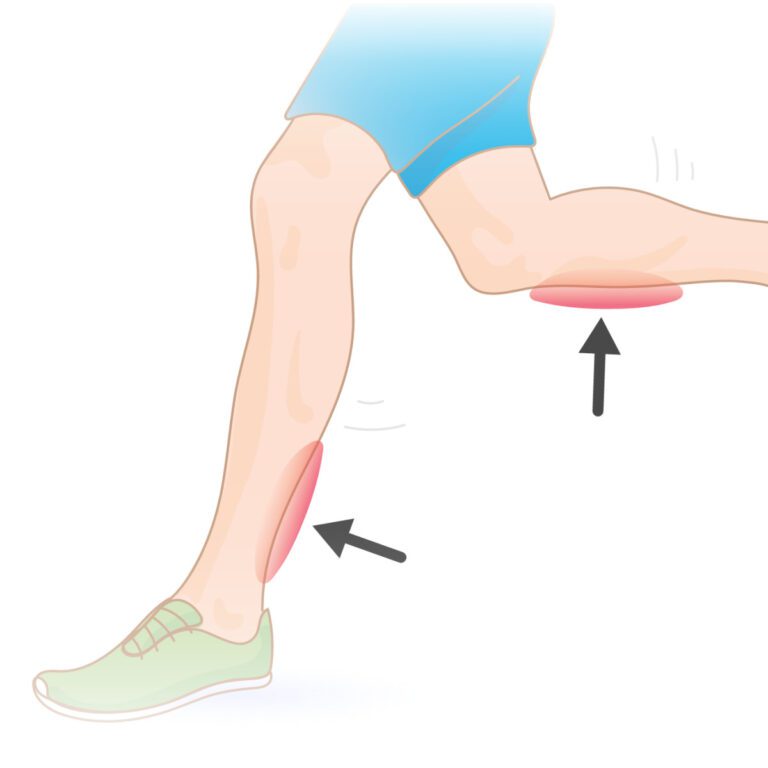
Runners may suffer from hip pain and decreased flexibility as a result of high-impact motions and overuse. By strengthening and stretching tense muscles, these workouts help address imbalances.
1. Donkey kicks
To tone and strengthen your hips and glutes, use this workout.
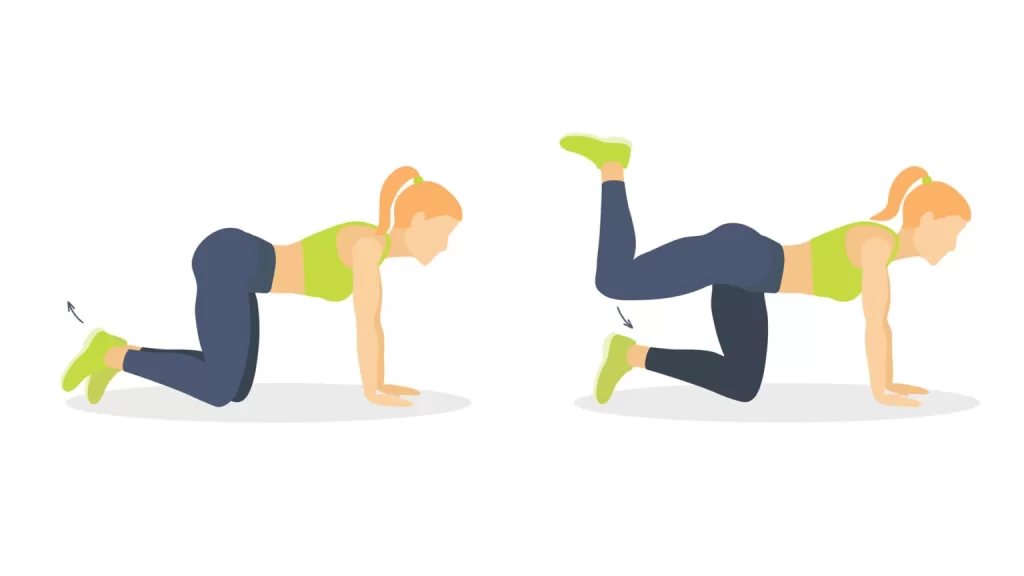
Steps:
- Lift your right knee from a tabletop posture and kick upward while maintaining it bent.
- Bring your foot’s bottom up toward the ceiling.
- Go back to where you were.
- Do 12–20 repetitions on each side in two to three sets.
2. Side Leg Lifts
Your thighs and glutes will get stronger with this workout. Put a weight on your thigh to make it harder.
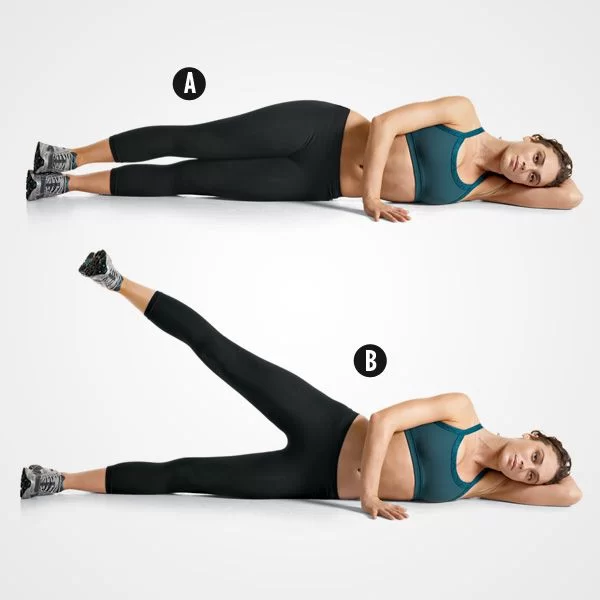
Steps:
- With your legs stacked, lie on your right side.
- As much as you can, lift your left leg.
- After pausing here, go back to where you were before.
- Do twelve to fifteen repetitions on each side in two to three sets.
8. Hip pain relief exercises
1. Single-leg bridge
This workout stretches your hips and encourages proper posture while working your hamstrings, glutes, and core.
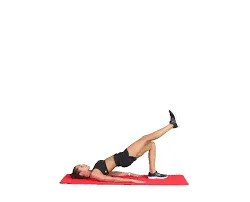
Steps:
- Lying on your back, bend your knees and move your feet closer to your hips.
- Press your palms into the ground beside your body.
- Make your right leg straight by extending it.
- Raise your hips as high as you are able to.
- For thirty seconds, maintain this posture.
- Do each side two or three times.
2. Figure Four stretch
This position stretches your glutes and hips.
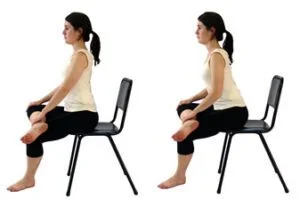
Steps:
- Lying on your back, bend your knees and put your foot near your hip.
- Position your right ankle at the lowest point of your left thigh.
- Draw your leg in nearer to your chest while interlacing your fingers around your shin or thigh.
- Hold for a maximum of one minute.
- On the other side, repeat.
- Straightening your lower leg will make it harder.
Exercises that are worse for hip pain
If you have hip pain, you should stay away from specific workouts. For as long as you can, rest and avoid stressful everyday tasks.
High-impact exercises like running, leaping, or lifting weights should generally be done very carefully. When walking on uneven terrain, as on a stroll, be very mindful of how you move and make an effort to establish stability.
Exercises that stress your hips include step-ups, lunges, and squats. Use caution when performing these exercises, and refrain from doing them when experiencing any kind of flare-up.
Follow your body’s instincts. Avoid any motions that hurt you and only go as far as is comfortable.
Bodyweight Glute Exercises’ Advantages
There are several advantages to bodyweight glute workouts for both general physical performance and musculoskeletal wellness.
Enhanced glute function, stability, and strength
The gluteus maximus, medius, and minimus—all crucial for stability, posture, and movement—are strengthened by these workouts. Strong and well-balanced glutes assist in preventing or lessening lower back, hip, and knee pain by stabilizing your pelvis and hips.
Reduced probability of injury
By using the appropriate muscles during these workouts, you lower your chance of strain or pain by preventing others from overcompensating. In order to prevent other muscles from having to strain or compensate when your glutes are weak, we want to establish equilibrium in the system.
No equipment is required
You may simply perform bodyweight glute workouts at home or while traveling. They don’t require any equipment or access to a gym, making them accessible and handy.
Improved performance in sports
Strong glutes improve performance in sports like cycling, running, and jumping by increasing power, speed, and agility.
When You May Also Need to Stretch
Even though strengthening is frequently the main objective, some kids have tight muscles that impair their ability to move.
Typical topics covered include:
- Flexors of the hips
- inner thighs
- The hamstrings
For instance:
- Stretching half-kneeling
- Stretch like a butterfly
- Activities involving tall kneeling and reaching
While encouraging active engagement, a therapist may gently move a limb into the appropriate posture.
Stretching should never be done in isolation, but rather in support of functional goals.
Takeaway
For the majority of your regular and sports activities, maintaining healthy and active hips is essential. To establish and sustain outcomes over time, be cautious and persistent in your approach.
Include the workouts in your fitness regimen that are most appropriate for your objectives and level of fitness. Before starting any new workout regimen, see your physician if you have any health issues.
FAQs
Can hip pain be caused by weak glutes?
Indeed, hip pain can be caused by weak glutes. Your pelvis cannot be adequately supported during daily activities like walking or ascending stairs if your gluteal muscles, particularly the side stabilizer, the gluteus medius, are weak. This instability causes tension, misalignment, and pain around the hip by forcing other joints and adjacent tissues to overcompensate.
How can weak hips and glutes be strengthened?
Concentrate on specific exercises such as glute bridges, side leg lifts, clamshells, and lateral band walks to strengthen weak hips and glutes. To awaken latent muscle fibers, perform these exercises two to three times a week with appropriate form, squeezing the glutes at the peak of each contraction.
What are the initial indicators that anything is wrong with your hip?
A dull groin ache, morning stiffness, and difficulty when putting on shoes or socks are the first indications that a hip is wearing down. Additionally, pain may radiate to the knee or thigh, and it typically gets worse after prolonged standing or walking
What are the typical reasons for gluteal and hip pain?
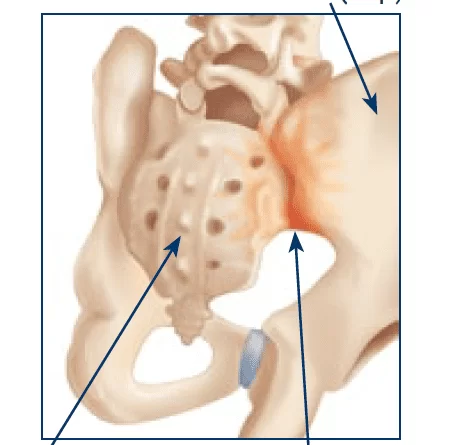
Tight muscles, joint wear, and nerve compression are common causes of hip and buttock pain. Sciatica from a bulging disk, piriformis syndrome, hip bursitis, arthritis, or sacroiliac joint dysfunction are common causes. Whether the pain is subtle, acute, or shoots down the leg will determine the precise source.
What symptoms indicate that my glutes are weak?
Your lower body may experience pain and instability as a result of weak glutes. Lower back pain, side hip pain, inward-caving knees during squats, and an unequal hip drop when walking are common symptoms. Tight hip flexors and difficulty standing or ascending stairs are other symptoms.
References
- Lateral Step-Ups. (n.d.). [Video]. Hingehealth. https://www.hingehealth.com/gb/en/resources/articles/glute-strengthening-exercises/
- Cronkleton, E. (2025b, July 3). 14 Exercises for strengthening and increasing mobility in the hips. Healthline. https://www.healthline.com/health/hip-exercises
- Ninjas, N. (n.d.). Glute and hip strengthening exercises. The Note Ninjas. https://thenoteninjas.com/blog/f/glute-and-hip-strengthening-exercises