Physiotherapy For Neck Pain
Table of Contents
What is Neck Pain?
Neck pain is a common musculoskeletal issue that can occur across all age groups. It can occur due to poor posture, long periods of using a computer, muscle strain, sleeping in the incorrect position, problems with the cervical spine, injuries or due to age related issues. It can cause stiffness in the neck, limit neck movement, cause headaches, shoulder pain, and interfere with everyday activities.
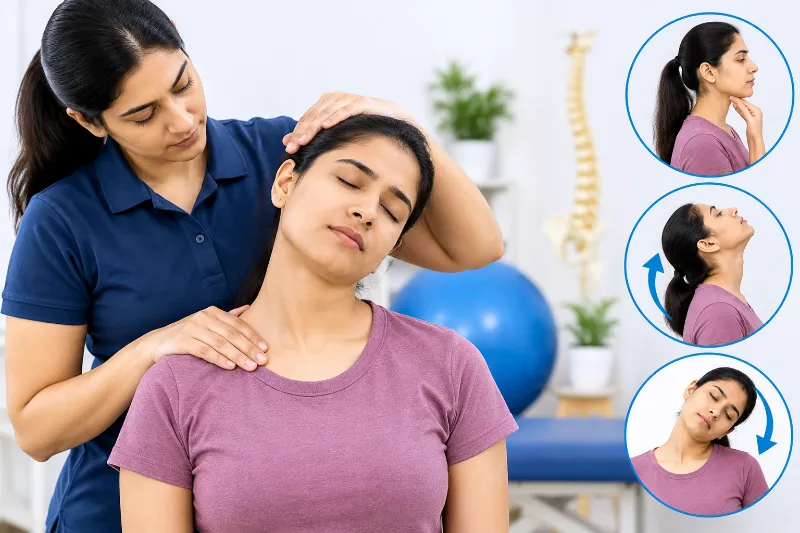
Physiotherapy can play an important role in the treatment of neck pain. It can reduce pain, improve mobility in the neck, strengthen supporting muscles, improve posture, and return the patient to normal function. Physiotherapy can include therapeutic exercises, manual therapy, postural correction, advice, and activity modifications.
Treatment will vary depending on the cause of the pain, severity of symptoms, how long they have been present, and how they affect the patient individually. Some patients may just need a couple of sessions and some exercises to do at home, whereas others may require a longer rehabilitation programme if symptoms are chronic or complex.
This article will look at why neck pain occurs, how physiotherapy will assess it, what treatment techniques can be used, what therapeutic exercises can take place, and how to prevent neck pain.
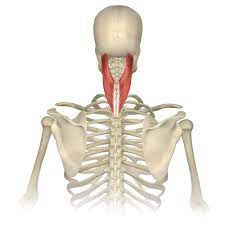
This runs from the bottom of the skull to the top of the shoulders. The cervical spine has seven vertebrae, along with intervertebral discs, ligaments, joints, muscles, and nerves. These all work together to support the head and allow movement of the neck.
The neck is responsible for:
- Supporting the head.
- Allowing flexion, extension, rotation, and lateral flexion.
- Keeping the head and eyes in position during activities.
- Coordination of the head and upper body.
- Neck pain can be acute, subacute, or chronic.
- Sometimes it can irritate nerves, causing tingling, numbness, weakness, and radiating pain in the upper limbs.
Common Causes Of Neck Pain
Poor Posture
- Poor posture can cause neck pain. Holding your head forward, hunching your shoulders, or slouching can increase the load on the muscles in your neck and upper back.
- Common causes of poor posture can include:
- Looking down at your phone.
- Reading with your head forward.
- Sitting with poor back support.
- Working with the monitor incorrectly set up.
Muscle Strain
- Muscle strain can occur when muscles and surrounding soft tissues are stretched/overloaded. This can occur with sudden movement, repeated activities, heavy lifting, or holding an uncomfortable position too long.
- Commonly, this occurs in the upper trapezius, levator scapulae, sternocleidomastoid, and cervical paraspinals.
Cervical Spondylosis
- Degenerated discs.
- Loss of disc height.
- Bony spurs.
- Changes to the facet joints.
- Reduced mobility in the cervical spine.
- Some people will feel stiffness and pain in the neck, whereas others may not have any symptoms.
Cervical Disc Herniation
- Depending on which disc is herniated, this can cause irritation or compression of the nearby nerve root. This can cause pain in the neck, shoulder, arm, tingling, numbness, and weakness
Cervical Radiculopathy
Cervical radiculopathy results from irritation or compression of a nerve root as it exits the neck region of the spine.
Symptoms can include:
- Radiating pain
- Tingling and numbness in the fingers.
- Weakened muscles in the arm/hands.
- Altered sensations.
- Increased pain with certain neck movements.
Whiplash
- Whiplash is an injury to the neck caused by sudden acceleration/deceleration. This often happens during a road traffic accident.
- It can cause problems to the muscles, ligaments, joints, and soft tissues in the cervical spine.
- Symptoms can include pain, stiffness, headaches, shoulder pain, and reduced movement.
Stress/Muscle Tension
Neck and shoulder muscles can become overactive due to emotional stress and mental strain. This can cause increased symptoms.
Symptoms Of Neck Pain
- Pain in the neck area.
- Stiffness and limited movement
- Difficulty rotating the head.
- Pain when looking up/down.
- Tension in the shoulder muscles.
- Headaches.
- Pain radiating to the upper back.
- Discomfort with prolonged sitting.
- Difficulties carrying out everyday activities.
- Some patients may also suffer from radiating pain, tingling, numbness, and weakness in the arms due to cervical nerve involvement.
- If you are experiencing new or worsening weakness in your limbs, balance or walking issues, reduced dexterity in your hands, or urinary/bladder problems, consult a medical professional.
- If you are experiencing neck pain with a fever, severe headache, unexplained weight loss, a history of cancer or significant trauma, consult a medical professional.
Physiotherapy Assessment for Neck Pain
A thorough physiotherapy assessment will be performed to help ensure you receive the best treatment. This will help identify where the pain is coming from, any limitations in movement,
muscle function, and how it is affecting your everyday activities.
The assessment will usually include:
History
Important questions will include:
- When did your neck pain start?
- Was the onset sudden or gradual?
- Is the pain constant or intermittent?
- Have you had any accidents/injuries?
- Are you experiencing headaches, numbness, or tingling?
- What makes the pain worse/better?
- Are you working for long periods of time at a computer?
- This will help identify any potential causes and whether further medical investigations are required.
Posture
The physio will assess your posture from the front, side, and back.
Common postural issues can include:
- Forward head posture.
- Hunched shoulders.
- Increased thoracic kyphosis.
- Uneven shoulders.
- Loss of cervical alignment.
- Prolonged slouched posture.
- They will also assess the relationship of your head, neck, shoulders, and upper back.
Mobility
The physio will assess your range of movement in the cervical spine.
The main movements include:
- Flexion – Head forward.
- Extension – Head backwards.
- Right Rotation – Head to the right.
- Left Rotation – Head to the left.
- Right Lateral Flexion – Head to the right.
- Left Lateral Flexion – Head to the left.
- The physio will note how much movement you have, any pain, quality of movement, and compensatory movements.
Muscle Strength
- Deep cervical flexors.
- Cervical extensors.
- Upper Trapezius.
- Middle/Lower Trapezius.
- Rhomboids.
- Serratus Anterior.
- Shoulder Girdle Muscles.
- Neurological
Sensory testing.
- Muscle strength testing in the upper limb.
- Deep tendon reflexes.
- Clinical tests for nerve involvement.
- Coordination and balance if required.
- This will help identify any potential nerve root involvement or spinal cord issues.
Function
- Driving.
- Reading.
- Sleeping.
- Using a computer.
- Lifting.
- Looking over your shoulder.
- Household activities.
Physiotherapy Treatment For Neck Pain
Physiotherapy aims to reduce pain, improve mobility in the neck, strengthen muscles, and return you to normal activities.
Advice and Activity Modifications
- Advice will be given to help manage your neck pain. It is important to understand what is causing your pain and why it is important to stay active.
- The physio will explain how prolonged static positions, repetitive movements and poor workstation set-up can cause increased symptoms.
- Important advice includes:
- Try not to sit in the same position for long periods of time.
- Take short breaks to move whilst working on the computer.
- Do not cradle your phone between your ear and shoulder while talking, as this can place unnecessary strain on your neck.
- Ensure you are using your arms and shoulders comfortably.
- Gradually return to normal activities.
- Try not to lie in bed for long periods of time unnecessarily.
- You should also understand that some exercises will cause mild discomfort, but this does not always mean further damage. Exercises should not cause severe pain, new tingling, numbness, or worsening weakness.
Hot Pack
- Hot packs are commonly used to help reduce neck discomfort and muscle tension.
- They can help increase blood flow locally, reduce the feeling of tightness, and make it more comfortable to do therapeutic exercises.
How to apply:
- Place the patient in a comfortable position, either sitting or lying.
- Wrap the hot pack in an appropriate towel.
- Apply to the posterior neck area
- Ensure it is at a comfortable temperature and not too much pressure.
- Leave for around 10-15 minutes depending on patient tolerance and product instructions.
- Remove and re-assess skin.
Benefits:
- Short-term pain relief.
- Reduces the feeling of tightness in the muscles.
- Relaxation.
- Helps prepare for mobilisation.
- Do not apply too high a temperature, especially if the patient has reduced sensation, poor circulation, or skin damage. Never let the patient fall asleep with a hot pack.
Cold Therapy
Cold therapy may be useful for short-term symptom relief. This can be useful if the neck is painful due to a recent strain or minor injury.
How to apply:
- Place the patient in a comfortable position.
- Wrap the cold pack in a thin towel.
- Gently apply to the painful area.
- Leave for a short period of time depending on patient tolerance and product instructions.
- Remove and check the skin.
Benefits:
Short-term pain relief.
May help reduce discomfort from minor soft tissue irritation.
Can help some patients tolerate movement better.
Not essential for all patients. Choose based on patient preference and findings.
TENS
TENS is a non-invasive electrotherapy treatment. It uses mild electrical stimulation via adhesive electrodes.
It can help provide short-term pain relief.
How to apply:
- Place the patient in a comfortable position.
- Clean the area to be treated.
- Position the electrodes near the affected region, following the manufacturer’s placement guidelines.
- Select the correct mode and intensity.
- Increase the intensity gradually so that the patient feels a comfortable tingling sensation.
- Leave on for an individualised amount of time, commonly around 15-30 minutes.
- Remove the electrodes and re-assess symptoms.
Benefits:
- May provide short-term pain relief.
- Can help improve tolerance to exercise.
- Non-invasive.
- May reduce passive pain.
- TENS should be used as an additional treatment. Electrodes should not be placed on the front or sides of the neck unless specifically instructed by an appropriately trained clinician.
- Extra caution should be taken with those who have implanted electrical devices or certain medical conditions.
Ultrasound
It has been used in physiotherapy to help musculoskeletal pain and soft tissue issues. However, it is uncertain whether it would be effective for general non-specific neck pain. It should not be considered a primary treatment.
How to apply:
- Place the patient in a comfortable position.
- Apply a suitable ultrasound gel.
- Place the ultrasound head over the desired area.
- Move the head continuously as per protocol.
- Choose the correct settings for the treatment.
- Ensure the patient is comfortable during treatment.
Benefits:
- Can be used for some soft tissue issues.
- Can be used to aid a wider rehab programme.
- It should not be applied to certain areas or issues, including suspected malignancy, active thrombosis, or areas of reduced sensation. It should never be used on the anterior neck area.
Soft Tissue Massage
A hands-on treatment used to help with muscular pain, tension, and discomfort in the neck and shoulders
How to apply:
- Place the patient in a comfortable position, either sitting or lying.
- Apply a suitable lubricant if needed.
- Start with light superficial strokes.
- Gradually apply gentle pressure to the affected muscle groups.
- Use gentle kneading and soft tissue techniques.
- Do not apply direct pressure to the cervical vertebrae, anterior neck, or sensitive areas.
- Finish with gentle movements and re-assessment.
Benefits:
May reduce muscular discomfort.
Relaxation.
May improve tolerance to neck movements.
Can help prepare for active exercises.
Keep the massage gentle and based on symptoms. Avoid aggressive pressure, especially following trauma or if vascular, neurological, or serious conditions are suspected.
Cervical Mobilisations
Cervical mobilisations are controlled passive movements applied to the cervical spinal joints to improve mobility and reduce pain.
The physio will choose the correct mobilisation based on the patient’s symptoms, examination, and tolerance.
How to apply:
Place the patient in a comfortable position.
Assess the cervical area and identify suitable areas to treat.
Gently mobilise the joint.
If the patient is experiencing pain, start with low-grade mobilisations.
Progress as tolerated.
Re-assess cervical mobility and symptoms.
Benefits:
- May improve joint mobility.
- May reduce pain and stiffness.
- Can improve comfort with neck movements.
- May improve therapeutic exercise.
- Only trained clinicians should carry out manual therapy. High-velocity manipulations are not required for general neck pain and carry extra risks. Patients with suspected instability,
- fracture, severe osteoporosis, vascular or neurological issues should have appropriate medical assessment before manual therapy.
Dry Needling
A treatment where a trained and appropriately qualified practitioner will insert fine sterile needles into specific muscles or trigger points.
Can be used as an adjunct for muscular neck pain.
Benefits:
- May provide short-term pain relief.
- May reduce local muscle pain.
- May improve comfort with movement.
- Can be used as an adjunct to an exercise rehab programme.Book Workouts
- Not suitable for everyone. Careful knowledge of anatomy, correct infection control and screening for contraindications is needed. Should not be used as a substitute for strengthening, mobilisation and advice.
Exercise For Neck Pain
Chin-tuck
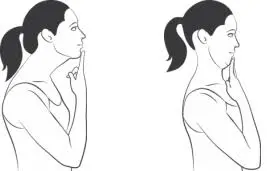
- Sit upright in a chair with relaxed shoulders.
- Look straight ahead.
- Gently tuck the patient’s chin back without moving the patient’s head up or down.
- Imagine making a double chin.
- Hold for 5-10 seconds.
- Slowly return to the starting position.
- Repeat 10 times in 2 sets.
Benefits:
- Activates deep neck flexor muscles
- Improves cervical postural control
- Helps reduce forward head posture
- Improves neck muscle endurance
Neck Flexion
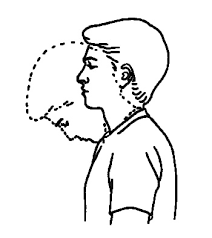
- Sit comfortably with a straight back.
- Shoulders relaxed. Slowly tuck your chin down.
- Move through a comfortable range.
- Hold for 5-10 seconds.
- Slowly return to the starting position.
Benefits:
- Improves range of motion in cervical flexion
- Helps reduce stiffness
- Encourages movement in the neck
- Maintains flexibility in the posterior neck.
Neck Extension
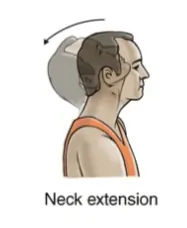
- Sit up straight with relaxed shoulders.
- Slowly tuck your head back.
- Look up to the ceiling.
- If comfortable, hold for 3-5 seconds.
- Slowly return to neutral.
Benefits:
- Maintains range of movement in cervical extension
- Improves movement in the neck
- Helps reduce stiffness with movement.
- Avoid if causing increased pain radiating into your arms, dizziness, or neurological symptoms when looking upwards. If you have any suspected instability or vascular issues within your cervical spine, clinical assessment is required before attempting this exercise.
Neck Rotation
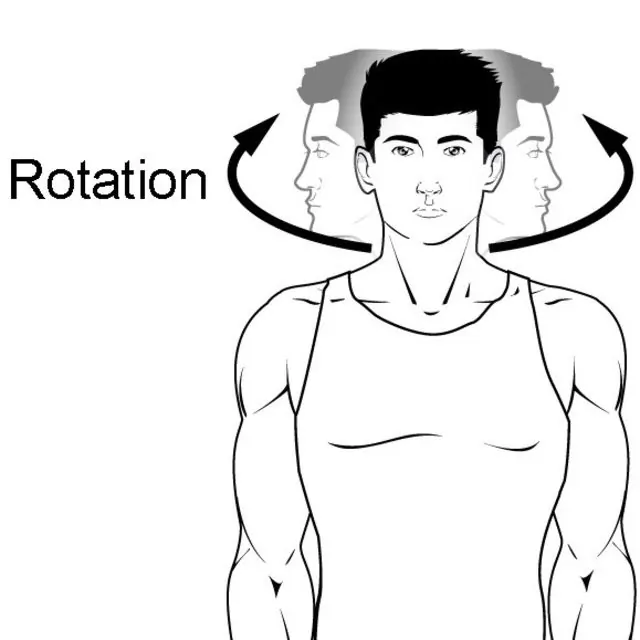
- Sit up straight with a neutral head position.
- Slowly rotate your head to the right.
- Keep shoulders facing forward.
- Hold for 3-5 seconds.
- Return to centre.
Benefits:
- Improves range of motion in cervical rotation.
- Reduces stiffness when rotating your head.
- Helps improve movements when driving.
- Maintains range of motion in the neck.
Lateral Neck Flexion Stretch
- Sit up straight with relaxed shoulders.
- Slowly tilt the patient’s right ear to their right shoulder.
- Keep the opposite shoulder relaxed. Do not lift.
- Use your hand to gently assist if required.
- Hold for 15-30 seconds.
- Return to start position.
- Repeat on opposite side.
Benefits:
- Improves flexibility in the lateral neck.
- Reduces feeling of tightness.
- Encourages comfortable lateral movements.
levator-scapular-stretch
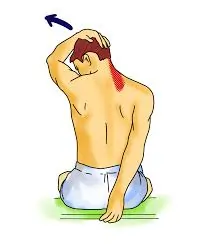
- Sit comfortably with a straight back.
- Rotate your head approx. 45 degrees to one side.
- Gently tuck your chin down towards your armpit.
- If needed, the patient may gently support the movement using their hand.
- Hold for 15-30 seconds.
- Return to the starting position.
- Repeat on the opposite side.
Benefits:
- Improves flexibility in the levator scapulae.
- Reduces muscular tightness.
- Improves comfort in the neck and shoulder.
Shoulder-Shrug
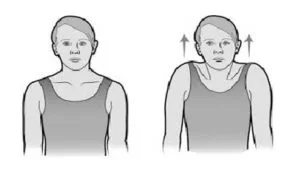
- Sit/stand with arms relaxed at your sides.
- Slowly lift both shoulders to your ears.
- Do not tuck your chin forward.
- Hold for 2-3 seconds.
- Gently lower your shoulders.
Benefits:
- Improves range of movement in the patient’s shoulder girdle.
- Activates upper trapezius.
- Helps maintain movement in your shoulders.
Scapular Retraction
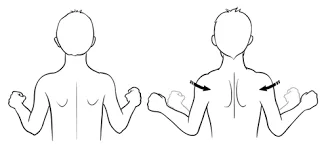
- Sit/Stand up.
- Arms relaxed at sides.
- Gently retract both scapulae.
- Do not overarch your lower back.
- Hold for 5 seconds.
- Relax and return to start position.
Benefits:
- Strengthens muscles that stabilize your scapulae.
- Improves control of your scapulae.
- Helps improve rounded shoulder position.
- Improves upper body movements.
Shoulder Roll
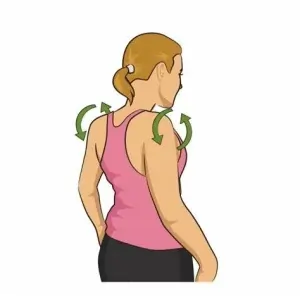
- Sit/Stand comfortably.
- Arms relaxed at your sides.
- Slowly lift your shoulders to your ears.
- Roll them backwards.
- Gently lower.
- Repeat in the same direction.
- Repeat in the opposite direction if comfortable.
Benefits:
- Improves range of motion in shoulders.
- Improves relaxation.
- Reduces feeling of tightness
Isometric Neck Flexion
- Sit up straight with a neutral head position.
- Place your palm on your forehead.
- Gently push your forehead forward into your hand.
- Resist with your hand so your head does not move.
- Hold for 5-10 seconds.
- Gently relax.
Benefits:
- Strengthens anterior neck muscles.
- Improves stability in the cervical spine.
- Develops endurance in neck muscles.
Isometric Neck Extension
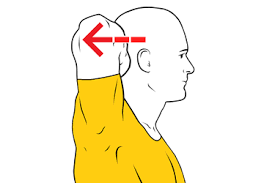
- Sit up straight.
- Place both hands behind your head.
- Gently push your head backwards.
- Resist with equal pressure so your head does not move.
- Hold for 5-10 seconds.
- Relax.
Benefits:
- Strengthens posterior cervical muscles.
Isometric Neck Lateral Flexion
- Sit up straight.
- Place your right palm on the right side of your head.
- Gently push your head into your hand.
- Resist so your head doesn’t move.
- Hold for 5-10 seconds.
- Relax and repeat on the opposite side.
Benefits:
- Strengthens lateral neck muscles.
- Improves stability in the cervical spine.
- Helps develop balanced muscle strength in the neck.
Wall Angels

- Stand with your back against a wall.
- Feet slightly away from the wall.
- Head and upper back in a comfortable position.
- Bend your elbows and place your arms in a goalpost position.
- Slowly move your arms upwards.
- Slowly slide your arms downward along the wall while maintaining a relaxed and comfortable position.
- Repeat without forcing your shoulders.
Benefits
- Improves range of movement in shoulders.
- Strengthens muscles that stabilize the scapula.
- Encourages upper body posture control.
- Helps rehabilitation of neck and shoulders
Resistance Band Rows
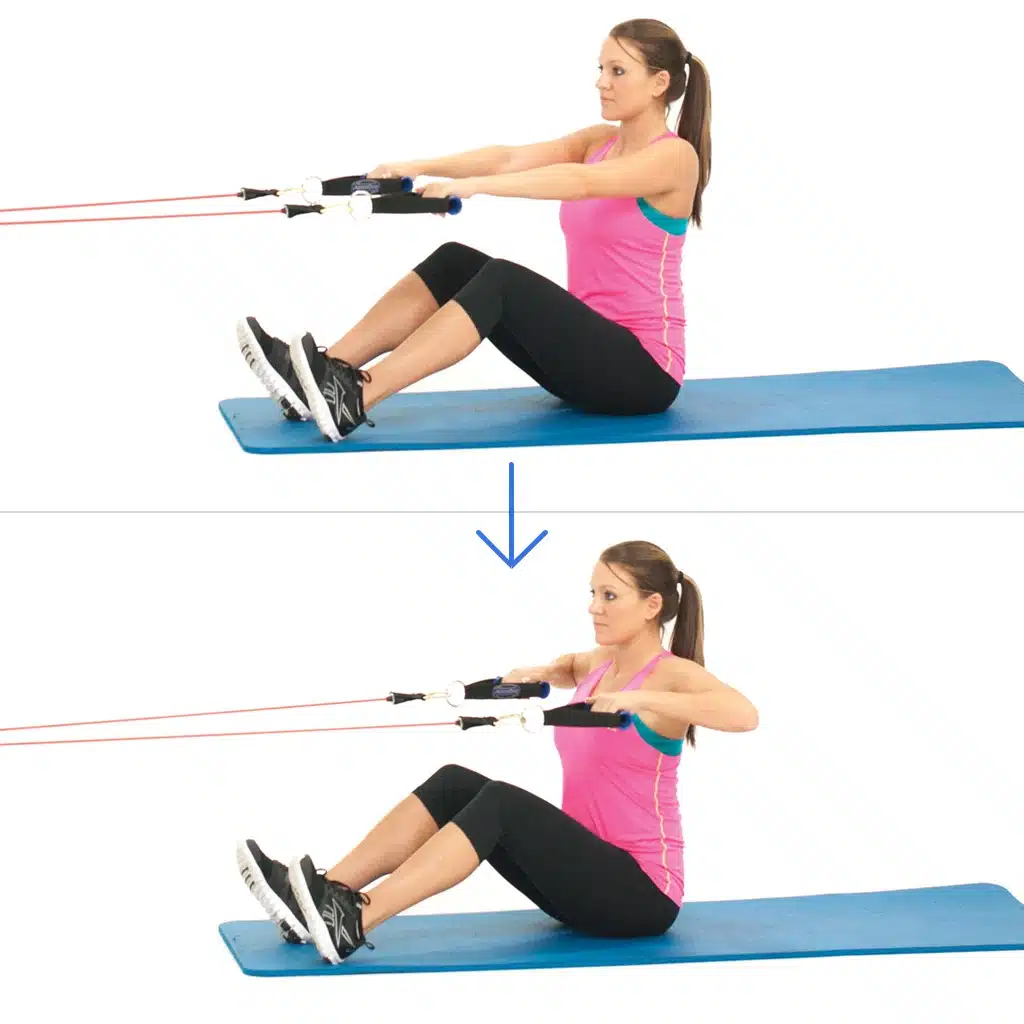
- Sit/Stand with resistance band fixed at suitable height.
- Hold one end of the band in each hand.
- Keep elbows slightly bent.
- Pull both hands towards your torso.
- Gently pull your scapulae back.
- Do not shrug your shoulders.
- Gently return to the starting position.
Benefits:
- Strengthens upper back muscles.
- Improves scapula stability.
- Helps with shoulder positioning.
- Improves muscular endurance in the upper body.
Thoracic Extension
- Sit on a stable chair with a supportive backrest.
- Hands gently placed behind your head.
- Lower back comfortably supported.
- Slowly extend your upper back over the backrest.
- Do not force your neck backwards.
- Return to the starting position.
Benefits
- Improves range of movement in the thoracic spine.
- Helps improve excessive rounding of the upper back.
- Helps with comfortable movement in the neck and shoulders.
Home Tips For Neck Pain
- Good posture when sitting down and standing.
- Do not hunch forward.
- Keep your phone/computer screen at a comfortable height for your eyes.
- Have a good, comfortable pillow to support your neck.
- Don’t sleep on your stomach.
- Make sure to take regular breaks when sitting down/working on your computer for long periods of time.
- Place a hot compress onto your neck for 15-20 mins to help ease tension in the muscles.
- Stretch and mobilise your neck gently.
- Avoid quick movements or ‘cracking’ your neck.
- Avoid putting heavy bags on one shoulder.
- Keep active regularly, such as walking.
- Use relaxation techniques to avoid muscle tension.
- Get enough sleep and live healthily.
- Avoid activities that worsen your neck pain.
- See a Physiotherapist if your neck pain isn’t improving.
Conclusion
- Physiotherapy is an important conservative management for patients experiencing neck pain. A holistic exercise regime can be implemented for patients, including education, posture correction, stretching and strengthening exercises, manual therapy, and targeted electrotherapy. Stretching and strengthening exercises such as chin tucks, rotation, side stretches, isometrics, shoulder blade squeeze, and resistance band rows can help to increase range of motion, strengthen muscles, and improve stability in the cervical spine. Increasing physical activity, ergonomic setup, and comfortable sleeping positions can also help. Identifying the cause at an early stage and providing individualised treatment can help with addressing the cause of the pain and improve function in daily activities. Patients with chronic pain or neurological symptoms should be appropriately assessed medically
FAQ
Is a stiff neck a serious issue?
A stiff neck is usually not serious and often goes away with home treatment or on its own after a few days.
However, if it doesn’t improve and you have other symptoms like nausea or sensitivity to light, see a doctor, as it could be a sign of meningitis.
What are some simple neck stretches that can be done at work?
These stretches do not require much space or special equipment. Examples include tilting your head forward and backward, rotating it to the sides, and pulling it straight back.
Can you fix weak neck muscles?
Yes, you can strengthen weak neck muscles with regular exercise, proper posture habits, and gradual resistance training. Building neck strength can help reduce chronic pain
headaches, and better support the weight of your head
What are the symptoms of neck muscle weakness?
The main symptom of weak neck muscles is a sensation that your head feels too heavy to support, often giving the impression that your chin is slowly moving downward toward your
chest.
Headaches: These are typically tension-type headaches or pain that starts at the back of the head, also known as occipital pain.
Dizziness or Balance Problems: This can include a feeling of floating, episodes of vertigo, or general unsteadiness due to improper signals sent to the brain about balance, which can be
affected by strained neck structures.
Trouble with Movement: This may involve stiffness in the neck muscles or a limited range of motion when turning or tilting the head.
Is walking a good exercise?
Generally, yes, it can help encourage general physical activity, improve circulation, and avoid long periods of staying in one position
References
SemiColonWeb. (n.d.). Neck Exercises | University Orthopedics. https://universityorthopedics.com/educational_resources/neck_exercises.html
COVID rehab. (2025, August 30). [Video]. Resolve360 No.1 Online Physiotherapy Clinic. https://resolve360.app/treatment/5-best-physiotherapy-exercises-for-neck-pain-relief/
Facos, R. D. D. P. (2018b, May 3). Physical therapy for neck pain relief. Spine-health. https://www.spine-health.com/treatment/physical-therapy/physical-therapy-neck-pain-relief