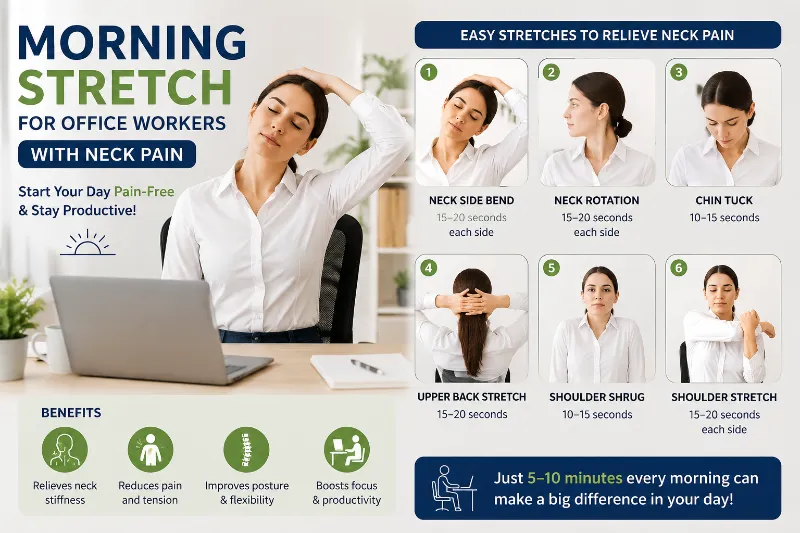
Morning Stretch For Office Workers With Neck Pain
One of the most prevalent health issues among office workers is neck pain. Excessive tension on the neck muscles and cervical spine can result from prolonged desk work, looking at computer screens, and bad posture. Stiffness, pain, headaches, decreased mobility, and even chronic pain can result from this over time.
Fortunately, easy neck pain management techniques can help ease stress, enhance posture, and avoid long-term issues. The top ten neck pain treatment exercises for office workers will be discussed in this post, along with how they may keep you comfortable and productive all day.
Construction and heavy manufacturing are not the only industries where work-related health issues arise. They may happen in all kinds of businesses and workplaces, including offices.
Desk jobs sometimes require you to remain motionless while completing repetitive tasks, but this may not be the healthiest or most pleasant position, especially if you work there for extended periods of time.
Our workstation habits, particularly when we’re seated, might lead to pain and health problems, such as:
- Neck and shoulder pain
- Obesity
- Musculoskeletal disorders
- Stress
- Lower back pain
- Carpal tunnel syndrome
The good news is that you can develop the habit of stretching or moving.
Setting a timer to remind you to take a brief walk or stretch is an easy approach to ensure that you incorporate exercise into your daily routine. You can even perform some stretches at your desk if you’re short on time.
Here are some easy workouts you may perform without getting out of your chair.
Throughout the stretches, keep in mind to breathe properly and never hold your breath. You could become more flexible with each stretch. Don’t go farther than is comfortable.
Table of Contents
Why Do Office Workers Frequently Experience Neck Pain?
Office workers frequently work on computers or laptops for several hours in a stationary position. The head moves forward as a result of this extended sitting position, putting more strain on the neck muscles.
The following are typical reasons why office workers have neck pain:
- Bad sitting position
- Incorrect height of the monitor
- Prolonged use of screens
- A sedentary way of living
- Muscle tightness caused by stress
- Insufficiently ergonomic workplace configuration
- Muscle strain, stiffness, and a condition called “tech neck” can all be caused by these reasons.
What Advantages Do Neck Exercises Offer Office Workers?
Frequent neck workouts have some advantages, such as:
- Decreased tension in the muscles
- Exercises for the neck and shoulders encourage relaxation and release tension, which lessens stiffness and pain that are frequently felt after extended periods of sitting or looking at screens.
- Improved flexibility of the neck
- Frequent neck exercises improve flexibility and ease of movement by expanding the range of motion in the neck joints. Exercise lowers the chance of getting chronic neck pain by preventing stiffness and increasing mobility.
- Improved posture
Exercises for the neck assist in strengthening the muscles that promote good alignment, enhance posture, and lessen shoulder and neck pain. - Increased blood flow
- Reduced chance of developing chronic pain
- Decreased shoulder pain and headaches
- Increased productivity at work
Even a short daily session of these exercises can greatly enhance neck health.
Key Takeaways
- Long stretches of time spent sitting still at a desk job can lead to musculoskeletal illnesses, lower back pain, neck and shoulder pain, and other health problems.
- Triceps stretches, overhead reaches, shoulder stretches, hip and knee flexion, hamstring stretches, and neck stretches are easy exercises you may perform without getting out of your chair. For ten to thirty seconds, hold each stretch.
- Use a standing desk, set a timer to remind you to move every hour, or walk during meetings and phone calls to prevent repeated stress injuries.
Chin Tuck Exercise
One of the best exercises for improving forward head posture is the chin tuck.
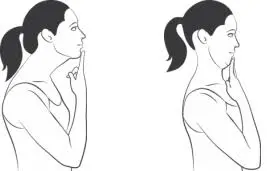
How to Do It:
- Stand or sit up straight.
- Keep your gaze forward.
- Make a double chin by gently pulling your chin back.
- Hold for five seconds.
- Ten times over, repeat.
Benefits:
- enhances the alignment of the neck
- increases the strength of the deep neck muscles
- lessens the tension caused by bad posture
How Can Side Bends of the Neck Reduce Stiffness?
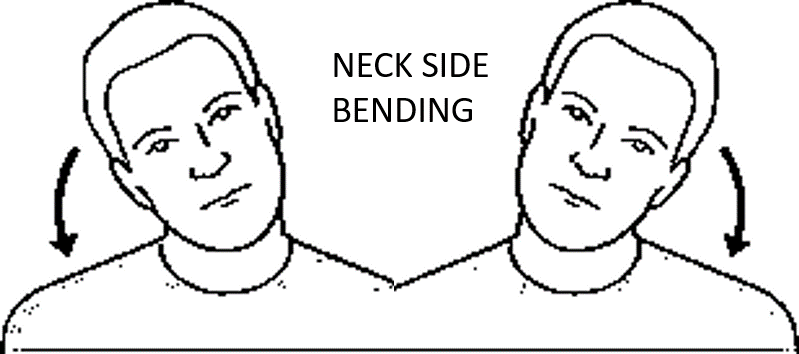
Neck side bends increase flexibility by stretching the muscles on both sides of the neck.
How to Do It:
- With your shoulders relaxed, choose a comfortable seat.
- Tilt your head slowly in the direction of your right shoulder.
- Hold for 15 to 20 seconds.
- Go back to the middle.
- On the left side, repeat.
Benefits:
- Relaxes tense muscles
- Increases range of motion
- Lessens the stiffness caused by extended sitting
Why Do Neck Rotations Matter for Mobility?
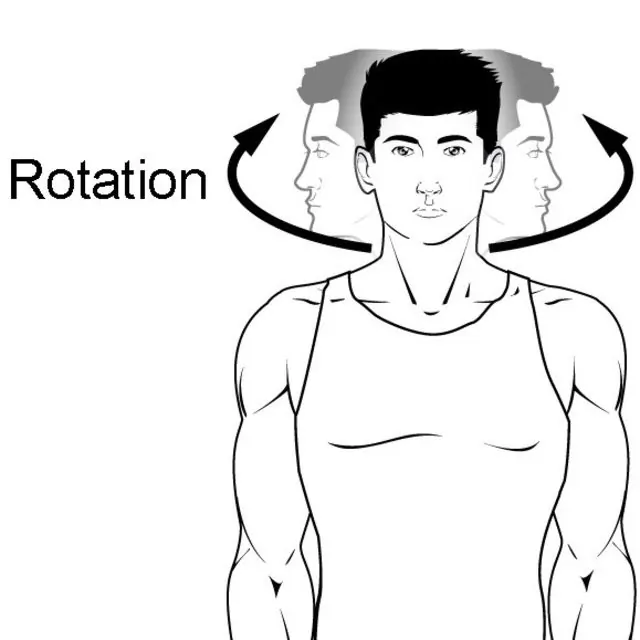
Neck rotations ease strain caused by repeated desk work and preserve cervical spine mobility.
How to Do It:
- Sit up straight.
- Turn your head slowly to the right.
- Hold for ten seconds.
- Go back to the middle.
- On the left side, repeat.
Advantages:
- increases the flexibility of the neck
- releases tension
- enhances blood flow
How Can Shoulder Rolls Reduce Pain in the Neck?
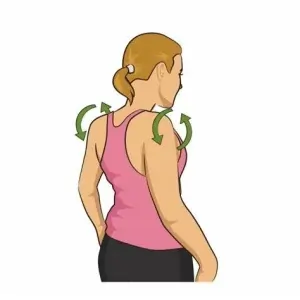
Shoulder strain is a common cause of neck pain. This tension can be released using shoulder rolls.
How to Do It:
- Take a comfortable seat or stand.
- Roll your shoulders forward in a circle.
- Roll them backward ten times to repeat.
Advantages:
- relaxes the muscles in the shoulders
- enhances posture
- reduces tension on the neck
Does Stretching the Upper Trapezius Reduce Neck Pain?
Prolonged desk work frequently causes the upper trapezius muscle to tighten.

How to Do It:
- Sit up straight.
- Cover your head with your right hand.
- Pull your head gently in the direction of your right shoulder.
- For 20 seconds, hold.
- On the other side, repeat.
Advantages:
- lessens tense muscles
- reduces pain in the neck and shoulders
- increases adaptability
How Can Office Workers Benefit from the Levator Scapulae Stretch?
The neck and shoulder blade are joined by the levator scapulae muscle. Office workers frequently experience tension.
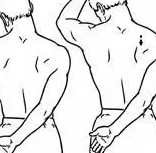
How to Do It:
- Rotate your head 45 degrees to one side.
- Take a look at your armpit.
- Apply a little pressure with your hand.
- For 20 seconds, hold.
- On the opposite side, repeat.
Advantages:
- Releases tension in the deep neck
- Increases neck range of motion
- Reduces rigidity
Why Do Office Workers Need to Stretch Their Chests?
The tightening of the chest muscles caused by bad posture frequently pulls the shoulders forward and increases neck pain.
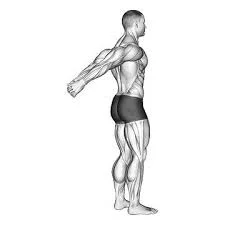
How to Do It:
- Take a position in a doorway.
- Put your forearms on the door frame’s two sides.
- Gently bend forward.
- For 20 to 30 seconds, hold.
Advantages:
- Opens the chest.
- Enhances posture
- Lessens the strain on the neck muscles
How Do Shoulder Shrugs Help with Posture?
The muscles that maintain good posture are strengthened by this easy workout.
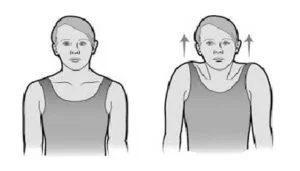
How to Do It:
- Sit up straight.
- Put your shoulders together.
- Hold for five seconds.
- Repeat ten to fifteen times.
Advantages:
- Strengthens the muscles in the upper back
- Enhances the alignment of the spine
- Reduces neck strain
The Neck Extension Stretch: What Is It?
The forward head position that is frequently observed in office workers is countered by the neck extension stretch.
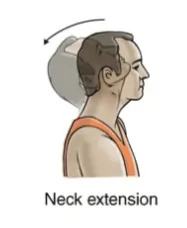
How to Do It:
- Take a comfortable seat.
- Tilt your head back slowly.
- Look up to the ceiling.
- Hold for ten seconds.
- Go back to where you were.
Advantages:
- increases flexibility
- lessens rigidity
- encourages improved posture
How Do Cat-Camel Stretches Help the Spine and Neck?
The Cat-Camel Stretch helps increase flexibility throughout the whole spine, including the neck, despite being frequently linked with yoga.
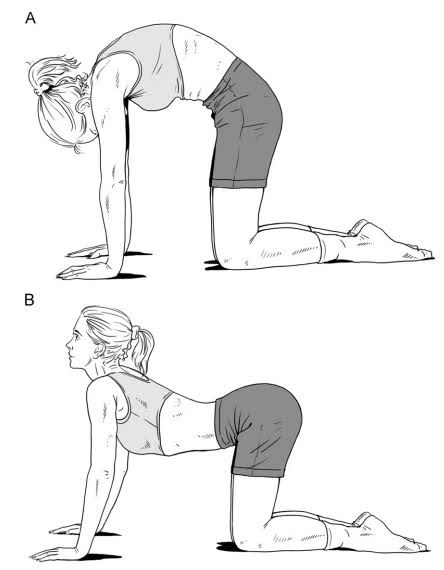
How to Do It:
- Get down on your hands and knees.
- Lift your head and arch your back.
- Then drop your head and circle your spine.
- For ten repetitions, repeat gently.
Advantages:
- increases the range of motion in the spine
- releases tension
- increases adaptability
How Frequently Should These Exercises Be Performed by Office Workers?
Try these neck exercises for optimal results:
- Every one to two hours while working
- For each exercise, perform five to ten repetitions.
- Twice a day, at minimum
Intensity is not as crucial as consistency. Regular exercise lowers the chance of developing chronic neck pain and helps avoid muscular stiffness.
Which Ergonomic Adjustments Can Help Avoid Neck Pain?
Take into account these workplace modifications in addition to exercises:
- Make sure your monitor is at your normal eye level.
- Keep your feet level on the ground.
- Make use of an ergonomic chair
- Refrain from staring at your phone for extended periods of time.
- Take regular rests and carry out the previously mentioned workouts.
- Keep your posture correct as you sit.
These adjustments can greatly lessen upper back and neck tension.
When Should You See a Medical Professional About Neck Pain?
Exercise and posture correction will help with the majority of desk-related neck pain, but you should contact a doctor if you have:
- Persistent pain that lasts for a few weeks
- Tingling or numbness in the arms
- Excessive headaches
- Weakness in the arms or hands
- Pain after an injury
A medical expert can identify the root cause and suggest the best course of action.
In what ways can stretching alleviate neck and back pain?
Stretching aids in releasing stiff neck and back muscles. The spine may be compressed by tight muscles in the legs, hips, and back. By reducing compressive stresses on the spine, stretching these muscles helps relieve pain and suffering from degenerative disk disease, spinal stenosis, and ruptured disks.
Additionally, stretching improves blood flow to the muscles, increasing the amount of oxygen and nutrients that reach the tissues. Additionally, better circulation eliminates waste products from metabolism that may cause stiffness and pain in the muscles.
Lastly, a lot of stretches work the core muscles, which are vital for maintaining the spine. Stretching exercises that strengthen and stretch the core muscles help enhance spinal stability and lower the risk of back and neck conditions.
Does stretching improve your posture?
Tight muscles that pull the body out of alignment are frequently the cause of poor posture. For instance, prolonged sitting can cause hip flexor stiffness, which can cause the pelvis to tilt forward and the back to bend excessively. By lengthening these tense muscles, you can improve alignment and lessen the strain on your body.
Poor posture can occasionally be caused by weak muscles. One way to offset the forward rounding of the shoulders that frequently happens with slouching posture is to stretch the muscles in the chest. Additionally, it lessens forward head posture, in which the head protrudes from the shoulders.
Poor posture, which can be caused by tense muscles and imbalances in the musculoskeletal system, is a common cause of back and neck pain. Stretching exercises that focus on the core, back, and hip muscles important in maintaining good posture can help correct imbalances and encourage improved spinal alignment.
Regular stretching also increases your awareness of your overall body. You can become more conscious of which muscles are tighter than others and learn to identify bad posture and correct it faster. Regular stretching improves posture in the long run.
Stretching combined with myofascial release treatment
Many people with back and neck pain discover that myofascial release treatment, in addition to yoga and stretching, relieves their pain and enhances their quality of life. The goal of myofascial release treatment, a type of manual therapy, is to relieve tension in the tissues that support and encircle muscles. It accomplishes this by promoting healthy musculoskeletal alignment and function as well as the body’s natural healing processes.
For those with either acute or chronic back pain, this therapy can reduce pain and increase range of motion. Myofascial release treatment was found to be more effective in relieving persistent low back pain when combined with certain back exercises in a 2014 study.
A skilled therapist applies prolonged pressure to specific locations during myofascial release treatment, enabling the muscles to relax and move more easily. In order to promote relaxation of the muscles and tissue, the therapist may also use mild stretching methods.
To assist you in stretching and targeting various pressure spots, you may buy a myofascial release ball to use at home.
By activating the parasympathetic nervous system, myofascial release treatment can also aid in the correction of postural abnormalities and encourage relaxation. Discuss with your physician if myofascial release treatment might be used in addition to other exercises and stretches to relieve neck and back pain.
Conclusion
Office workers frequently have neck pain, but it doesn’t have to be a chronic issue. You may lessen stiffness, enhance posture, and promote general spinal health by including these ten neck pain management exercises in your regular practice. These exercises help maintain your neck flexible, strong, and pain-free even throughout lengthy workdays when combined with appropriate ergonomics and frequent movement breaks.
See a licensed healthcare professional for a customized evaluation and treatment plan if neck pain persists after consistent stretching and posture corrections.
FAQs
What sleeping position is best for neck pain?
For neck pain, it’s better to sleep on your side or back. Both postures prevent your neck muscles from twisting and maintain a straight, neutral spine.
What could be causing my neck pain?
Muscle tension, bad posture, or an uncomfortable sleeping position are common causes of neck pain. Additionally, a pinched nerve or joint wear may cause it.
Which side of neck pain is serious?
Neck pain on either side is often caused by simple muscular tension, incorrect sleeping postures, or poor posture; neither side is intrinsically more severe than the other. Rather than a particular side, associated red-flag symptoms are what distinguish serious illnesses.
Is heat or ice better for neck pain?
Muscle tension, bad posture, or an uncomfortable sleeping position are common causes of neck pain. A pinched nerve or joint wear can also cause it.
Why does my neck hurt so bad in bed?
Unsupportive bedding, uncomfortable head postures, and poor spinal alignment are the main causes of neck pain during sleep. Inappropriate sleeping postures, poor pillow selection, and abrupt movements during the night are the main contributing causes.
References:
- Admin, & Admin. (2026, June 2). 10 best neck pain relief exercises for office workers. RNH Hospital. https://rnhhospital.com/10-best-neck-pain-relief-exercises-for-office-workers/
- Therapy, G. P. (2024, November 10). Neck stretches and exercises for office workers to prevent pain. Go PT (Lincoln). https://gopt.us/lincoln/neck-stretches-and-exercises-for-office-workers-to-prevent-pain/
- The Healthline Editorial Team. (2026, July 1). Stretches to do at work every day. Healthline. https://www.healthline.com/health/deskercise#arms