Why Ergonomic Seating Matters: A Physiotherapist’s Perspective on Preventing Workplace Pain
In today’s fast-paced professional world, many of us spend six to ten hours daily seated at our desks. While laptops, computers, and digital tools have made work more convenient, they’ve also led to a sharp rise in musculoskeletal problems.
As a physiotherapist practising in Ahmedabad, I regularly see patients struggling with neck pain, lower back discomfort, shoulder tightness, and repetitive strain injuries — all too often traced back to prolonged sitting and inadequate workstation setups.
Exercise, stretching routines, and targeted physiotherapy treatments are essential for recovery. However, true long-term relief and prevention start with the basics — particularly the humble office chair. Ergonomics, the science of designing workspaces to suit the human body, offers practical solutions that can reduce injury risk while boosting comfort, focus, and overall wellbeing.
Table of Contents
The Growing Problem of Workplace-Related Pain
Office workers frequently adopt postures that place unnecessary stress on the spine, muscles, and joints. Over months and years, this can lead to common complaints such as:
- Persistent lower back pain
- Neck stiffness and tension headaches
- Shoulder and upper back tightness
- Hip flexor shortening and discomfort
- Poor circulation leading to swelling or fatigue
- General tiredness that affects concentration
In clinic, I often treat these issues successfully in the short term. Yet symptoms frequently return if patients go back to the same unsupportive chair and desk setup. This cycle highlights why workplace ergonomics must form a core part of any effective physiotherapy plan — not just as an afterthought, but as a foundational prevention strategy.
Why the Chair Is the Foundation of Workplace Ergonomics
While people often adjust their monitor height or keyboard position first, the chair is the single most important contact point between the body and the workstation. A good ergonomic chair actively supports the body’s natural alignment rather than forcing muscles to compensate constantly.
Key benefits include:
- Maintaining neutral spinal curves, especially in the lower back
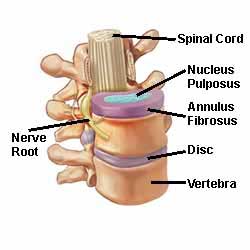
- Supporting proper pelvic positioning to reduce disc pressure
- Promoting even weight distribution across the thighs and buttocks
- Encouraging better blood flow and reducing pressure points
- Allowing the shoulders and neck to stay relaxed
When a chair lacks proper support, the body tends to slump forward, the head juts ahead (forward head posture), and the lower back loses its natural curve. These habits gradually overload muscles, ligaments, and spinal discs, setting the stage for chronic pain.
What Physiotherapists Look For in an Ergonomic Chair
Not every chair labelled “ergonomic” truly delivers. From a clinical viewpoint, I evaluate several critical features when recommending seating options to patients:
Adjustable Lumbar Support
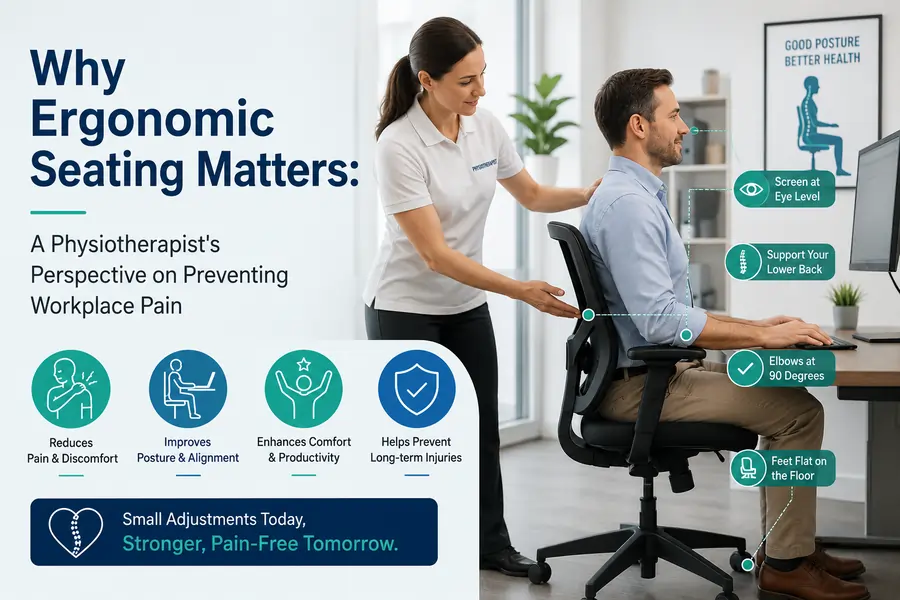
The lower back has a natural inward curve (lordosis). Quality chairs offer height and depth-adjustable lumbar support to maintain this curve and prevent slouching. This simple feature significantly reduces strain on the lumbar discs and surrounding muscles.
Seat Depth Adjustment
People vary in height and leg length. A good seat allows 2–3 fingers of space behind the knees while still supporting most of the thighs. This prevents pressure behind the knees that can impair circulation and cause numbness.
Height and Armrest Adjustability
The chair should allow feet to rest flat on the floor (or on a footrest) with knees at roughly 90 degrees. Adjustable armrests help keep shoulders relaxed and elbows at about 90 degrees, reducing neck and shoulder tension during typing or mouse work.
Dynamic Movement and Recline
Static sitting is one of the biggest enemies of spinal health. Modern ergonomic chairs with synchro-tilt mechanisms or dynamic seating encourage subtle movement. This “next posture is the best posture” principle helps distribute load, reduces fatigue, and keeps muscles active rather than locked in one position.
The Importance of Quality Commercial-Grade Ergonomic Seating
Chairs designed for occasional home use often fail under the demands of full workdays. Commercial-grade options are built for durability and incorporate advanced ergonomic features that align with clinical recommendations.
Brands such as ergonomic Buro chairs are widely used throughout Australia and New Zealand because they combine commercial durability with ergonomic features such as lumbar support, synchronised movement, adjustable armrests, and user-specific customisation. These characteristics help support the posture and comfort principles that physiotherapists commonly recommend for desk-based workers.
Many modern ergonomic chairs also incorporate breathable mesh materials, advanced recline systems, and flexible support zones that adapt to the user’s movements throughout the day.
While no single chair can magically eliminate all risks of sedentary work, investing in proper seating forms a strong foundation for workplace wellness. It complements other ergonomic adjustments and daily movement habits.
Why Movement Still Matters — Even With a Great Chair
An ergonomic chair is powerful, but it cannot replace the need for regular movement. I always advise patients to follow the “30-30 rule” — stand up or change position every 30 minutes for at least 30 seconds.
Simple actions include:
- Standing during phone calls
- Gentle neck and shoulder rolls at your desk
- Short walks to the water cooler
- Using sit-stand desks where possible
- Taking proper screen breaks (20-20-20 rule: every 20 minutes, look 20 feet away for 20 seconds)
These habits improve circulation, reset posture, and help prevent the cumulative damage caused by prolonged static sitting.
The Connection Between Comfort and Productivity
Reduced pain and discomfort don’t just feel better — they translate into better work performance. Employees who sit comfortably report improved concentration, fewer headaches, and higher energy levels throughout the day.
When workers are not constantly distracted by aches and stiffness, they can focus more effectively on tasks and maintain productivity for longer periods. For organisations, this can mean lower absenteeism, higher job satisfaction, and reduced healthcare costs related to musculoskeletal issues.
Investing in ergonomics should therefore be viewed not only as a health initiative but also as a productivity strategy.
A Collaborative Approach to Workplace Wellness
Creating healthier work environments requires teamwork.
As physiotherapists, we assess posture, identify movement restrictions, and suggest specific workstation modifications. Employers can support staff by providing suitable ergonomic equipment. Individuals must take responsibility for using equipment correctly and building healthy movement habits.
The Australian Physiotherapy Association also highlights the importance of workplace ergonomics, movement, and early intervention strategies in reducing the burden of musculoskeletal disorders among office workers.
Organisations across India are increasingly recognising the impact of workplace ergonomics on employee wellbeing. As hybrid work, technology-driven roles, and longer screen times become more common, employers are beginning to invest in ergonomic assessments, workstation improvements, and employee wellness initiatives to help reduce injury risk and improve productivity.
Simple changes today can prevent chronic problems tomorrow.
Beyond the Office: Ergonomics in Hybrid and Remote Work
Hybrid working has created new challenges. Many professionals now alternate between office desks and home setups using dining chairs, kitchen tables, or sofas that offer little support.
Unfortunately, these makeshift workstations often contribute to the same postural problems physiotherapists regularly treat.
The principles remain the same regardless of location: prioritise neutral posture, choose supportive seating, and move regularly. For remote workers, investing in an ergonomic chair and establishing a dedicated workstation can make a dramatic difference in preventing pain and maintaining productivity.
Employers should also consider supporting remote staff with ergonomic guidance and equipment recommendations to ensure healthy work practices continue beyond the office.
Prevention Starts With How You Sit
As physiotherapists, we see daily how preventable many workplace pain conditions truly are. Modern work demands are unlikely to decrease, so protecting our bodies while working becomes essential.
Prevention will always be more effective — and more comfortable — than repeated treatment. A well-chosen ergonomic chair, combined with proper workstation setup, regular movement, and healthy habits, offers one of the most practical investments in long-term spinal health and overall wellbeing.
If you spend long hours at a desk and experience recurring aches, consider having your seating and posture assessed. Small changes in how you sit can lead to significant improvements in how you feel, move, and perform at work.
By prioritising ergonomics today, individuals and organisations alike can create healthier, more productive workplaces for the future.