Diagnostic Test

  • | |

    Hyperreflexia

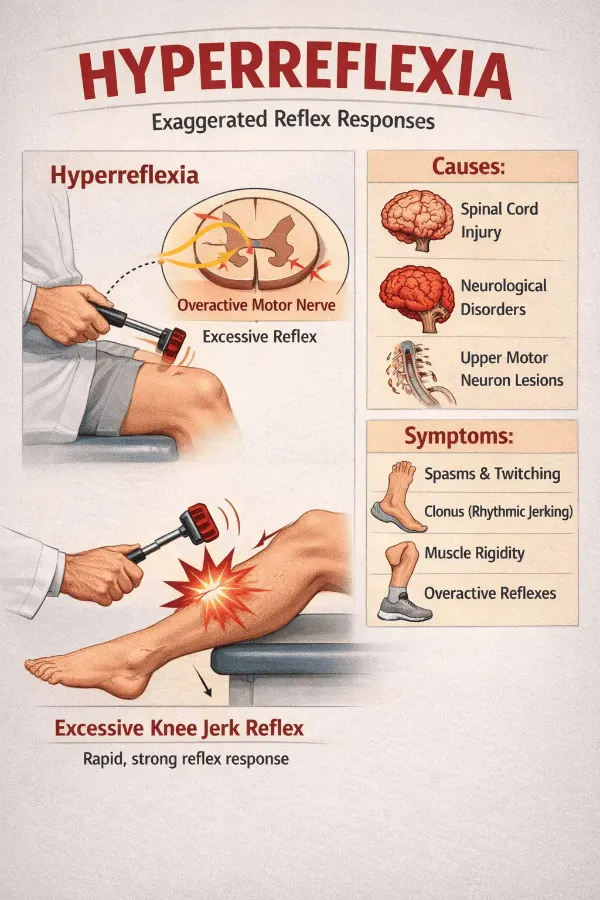
    What is hyperreflexia? Hyperreflexia is a condition characterized by overactive or exaggerated reflexes, where muscles respond too strongly to stimulation. It commonly occurs due to problems affecting the brain or spinal cord, particularly the upper motor neurons. People with hyperreflexia may experience muscle spasms, twitching, stiffness, or repetitive reflex movements. These reflexes become excessive in…

  • |

    Painful Arc Test

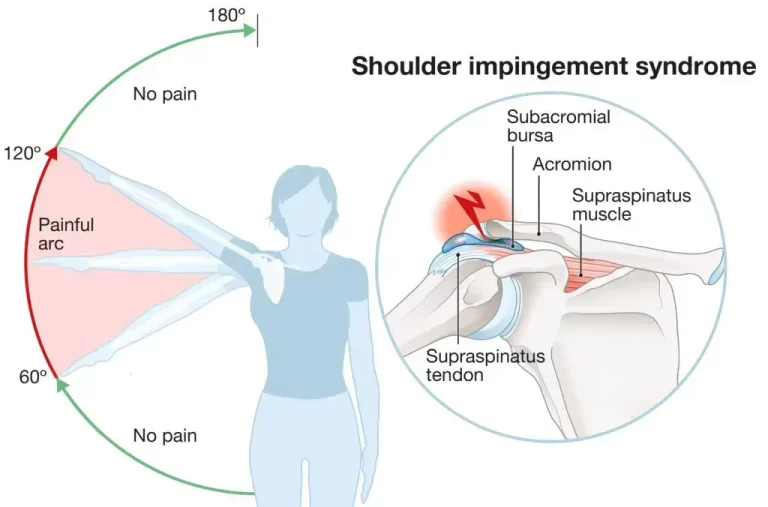
    Objective: The Painful Arc Test is a clinical assessment tool used primarily to diagnose shoulder impingement, particularly in conditions like subacromial impingement syndrome. This test helps determine if the tendons or structures within the shoulder are being compressed during specific movements. A positive outcome on the painful arc test, as with most special tests, does…

  • |

    Deep Tendon Reflex (DTR)

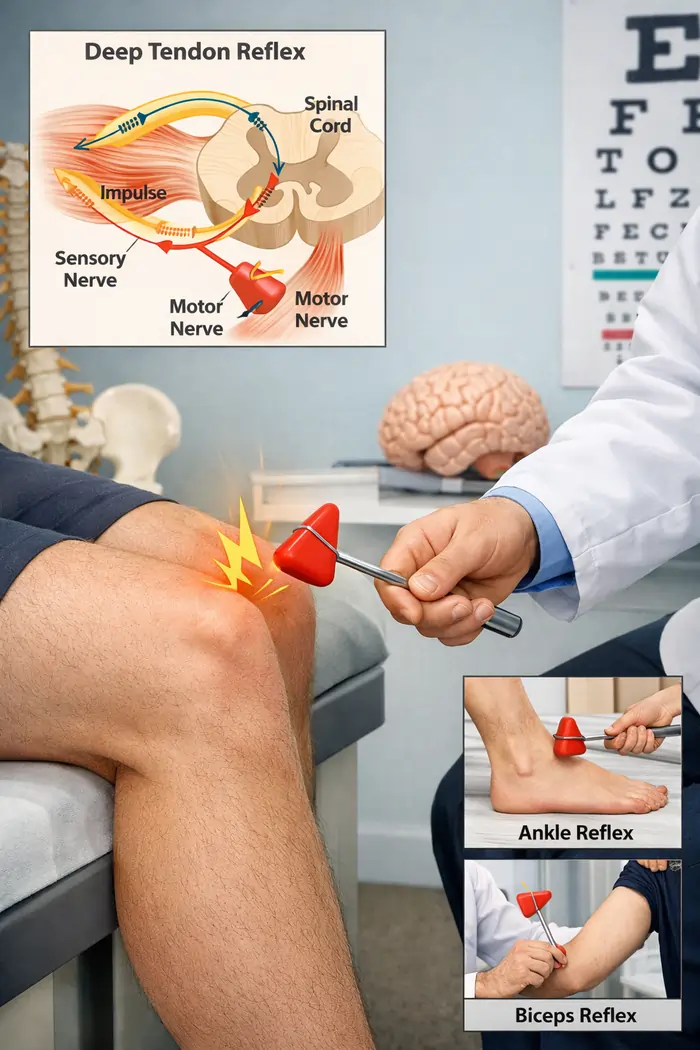
    Introduction The deep tendon reflex (DTR), initially identified by Wilhelm Heinrich Erb and Carl Friedrich Otto Westphal in 1875, is crucial for assessing and identifying neurologic disorders. Assessing neurologic diseases that impact afferent nerves, spinal cord synaptic connections, motor nerves, and descending motor pathways can be facilitated by deep tendon reflexes, also known as the…

  • |

    Sulcus Sign

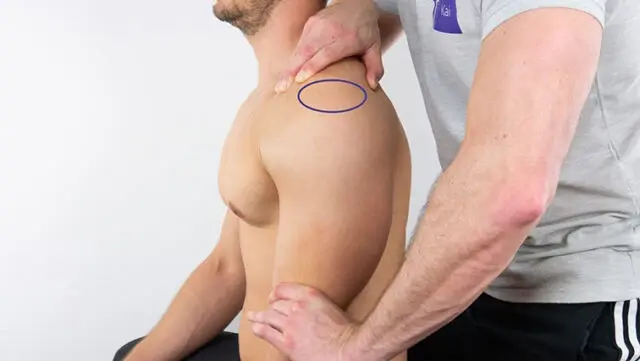
    Objectives: The Sulcus Sign is an examination test used to check shoulder instability, mainly inferior instability. It involves the clinician applying a downward force on the humerus while stabilizing the scapula. A positive Sulcus Sign is indicated by the presence of a visible sulcus or groove beneath the acromion, suggesting that the humeral head has…

  • |

    Crank’s Test

    What is a Crank’s Test? Crank’s Test is an orthopedic examination primarily used to assess the integrity of the glenoid labrum in the shoulder, specifically looking for labral tears. It is especially helpful in identifying superior labral anterior to posterior (SLAP) lesions. Objective: Clinically diagnosing tears of the shoulder’s superior labrum from the anterior to…

  • |

    Serratus Anterior Test

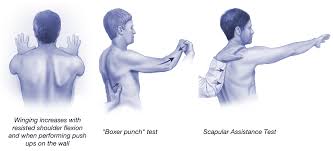
    The Serratus Anterior Test is a clinical examination used to assess the strength and functionality of the serratus anterior muscle, which plays a crucial role in stabilizing the scapula against the thoracic wall. This muscle is essential for movements involving the shoulder and upper limb, especially in overhead and pushing activities. Dysfunction or weakness of…

  • |

    Neer Impingement Test

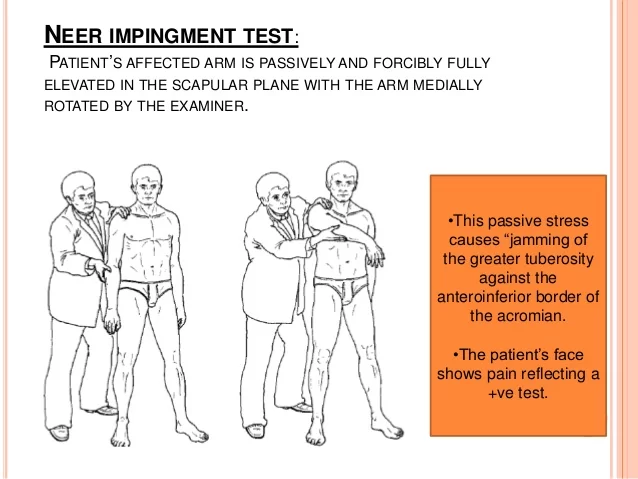
    Objective: Neer’s test is a diagnostic process that helps identify whether your limited range of motion and shoulder pain are signs of tissue impingement. Neer impingement test can be performed as part of a comprehensive shoulder assessment by your physician or physical therapist. By applying pressure and flexion to the shoulder, the Neer impingement test mimics…

  • |

    H and I Test

    What is a H and I Test? The H and I Test is a specific physical examination used by physiotherapists, chiropractors, and other healthcare professionals to assess the stability and integrity of the lumbar spine and the surrounding musculature. It’s particularly useful for diagnosing issues related to the lumbar facet joints, which can be a…

  • |

    Shoulder Examination

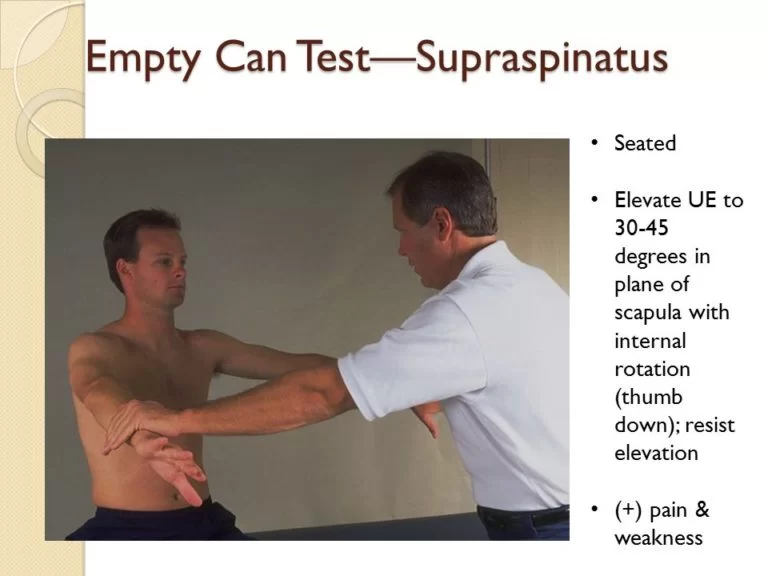
    What is a Shoulder Examination? The shoulder examination is a critical aspect of assessing shoulder pain or dysfunction, helping to identify the underlying causes and guide appropriate treatment. The shoulder is a complex joint with a wide range of motion, relying on the coordinated function of muscles, tendons, and ligaments. A thorough shoulder examination typically…