Easy Hamstring Stretches For Tight Legs
Table of Contents
Introduction
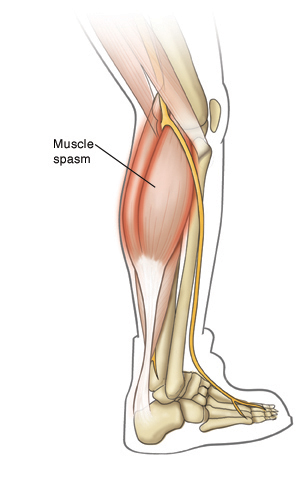
The three muscles that go up the back of your leg are called hamstrings. Hamstring stiffness can result from sports like tennis and soccer that require a lot of running or stop-and-start action. Running and dancing are examples of such activities.
It’s crucial to keep these muscles flexible. Tight hamstrings might be more vulnerable to ripping or straining. Additionally, there is a distinction between injury and tightness. Before treating your injury at home, it’s advisable to consult a doctor if you have hamstring pain.
You can maintain the elasticity of your hamstrings by doing a variety of stretches and exercises. Before stretching, it’s a good idea to warm up your muscles. To keep your muscles warm, try going for a stroll or engaging in another exercise.
Never try to force a stretch or stretch when you’re in pain. When performing stretching exercises, breathe properly. At least two or three days a week, try to include hamstring stretches in your regimen.
Participants in running or sprinting sports are more likely to have hamstring tightness or injury.
The three muscles at the back of the thigh that extend from the hip to the knee are called the hamstrings. We can run, leap, and walk thanks to this muscle group.
People utilize their hamstrings in daily activities; therefore, it’s critical to maintain their strength and flexibility. People can prevent strains and rips in their muscles by stretching.
Additionally, problems with the sciatic nerve may cause a person to have hamstring tightness. To identify the underlying reason for the tightness, a person should consult a physician.
The top hamstring stretches and their advantages are covered in this article. It also examines when and how frequently one should perform these stretches.
8 best hamstring stretches
Stretches for the hamstrings can assist in maintaining the muscles’ flexibility and range of motion. The stretches shouldn’t hurt.
Stretching should only be done until mild to moderate tension is present. Overstretching can result in harm; thus, people should avoid doing it. Over time, flexibility increases.
The following stretches can be used to release hamstring tension:
1. Stretching the hamstrings while lying
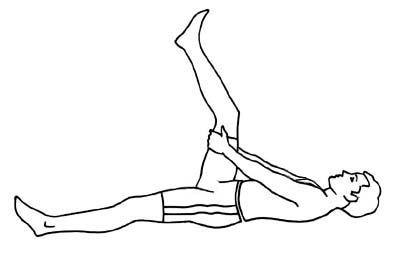
- Lie down on the floor or a mat and extend your legs.
- To extend the right leg, grasp the back of the right knee with both hands, pull it up toward the chest, and then gradually straighten the knee until it feels stretched.
- Hold the stretch for ten to thirty seconds.
- Repeat two or three times on each leg.
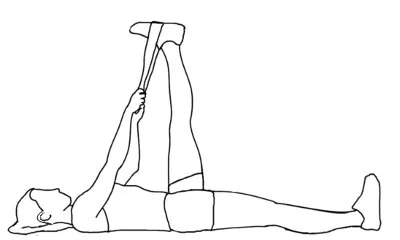
2. Lying hamstring stretch using a strap
- Lie down on the floor or a mat and extend your legs.
- Stretch the right leg by bending it and placing the strap on the ball of the right foot.
- Grasp the strap with both hands.
- Keep your left leg stretched on the ground and your foot flexed.
- As a result, the calf and thigh should be forced toward the ground.
- Stretch the right leg slowly while flexing the foot. With the knee slightly bent, the right leg should be straight.
- The bottom of the foot should face the ceiling. Gently pull the strap until your hamstrings start to stiffen up.
- Hold the stretch for ten to thirty seconds.
- Swap out your legs.
- Repeat two to four times on each leg.
3. Lying hamstring stretch using a wall
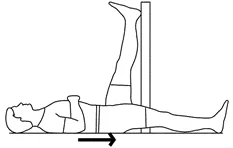
- Find an open entryway.
- Lie down on the ground or a mat with your back flat and your left leg fully stretched on the floor. The left leg should cross the doorway.
- Put your right leg up against the wall next to the door.
- Modify the distance between the body and the wall to slightly strain the right leg.
- Hold the stretch for ten to thirty seconds.
- Swap out your legs. Repeat three times on each leg.
4. Sitting hamstring stretch

- The right leg can be stretched by sitting on the floor with the left leg bent at the knee and the foot pointed inward. This is known as the butterfly stance.
- Extend the right leg while keeping it slightly bent at the knee.
- While bending forward at the waist, keep your back straight.
- Continue the stretch for ten to thirty seconds.
- Switch legs. Repeat two or three times on each leg.
5. Sitting hamstring stretch using a chair
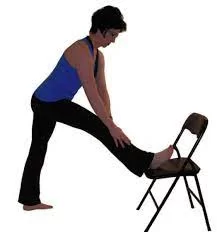
- Stand close to the edge of the chair with your back straight.
- You should keep one foot flat on the ground.
- To stretch it forward, place the opposite leg on the chair.
- Gradually bend the trunk forward until the back of the thigh is obviously extended.
- Verify that the spine is in a neutral posture and that the shoulders are not bent forward.
- Continue the stretch for ten to thirty seconds.
- Swap out your legs. Continue between two and four times on each leg.
6. Standing hamstring stretch
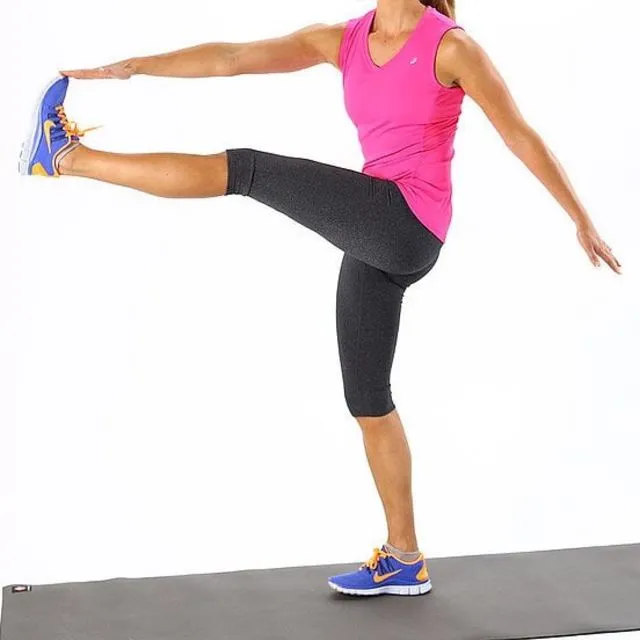
- When standing close to the edge of the chair, keep your back straight.
- You should keep one foot flat on the ground.
- To stretch the opposing leg forward, place it on a chair.
- Gradually bend the trunk forward until the back of the thigh is obviously extended.
- Verify that the spine is in a neutral posture and that the shoulders are not bent forward.
- Continue stretching for ten to thirty seconds.
- Swap out your legs. Repeat two to four times for each leg.
7. Standing hamstring stretch using a table
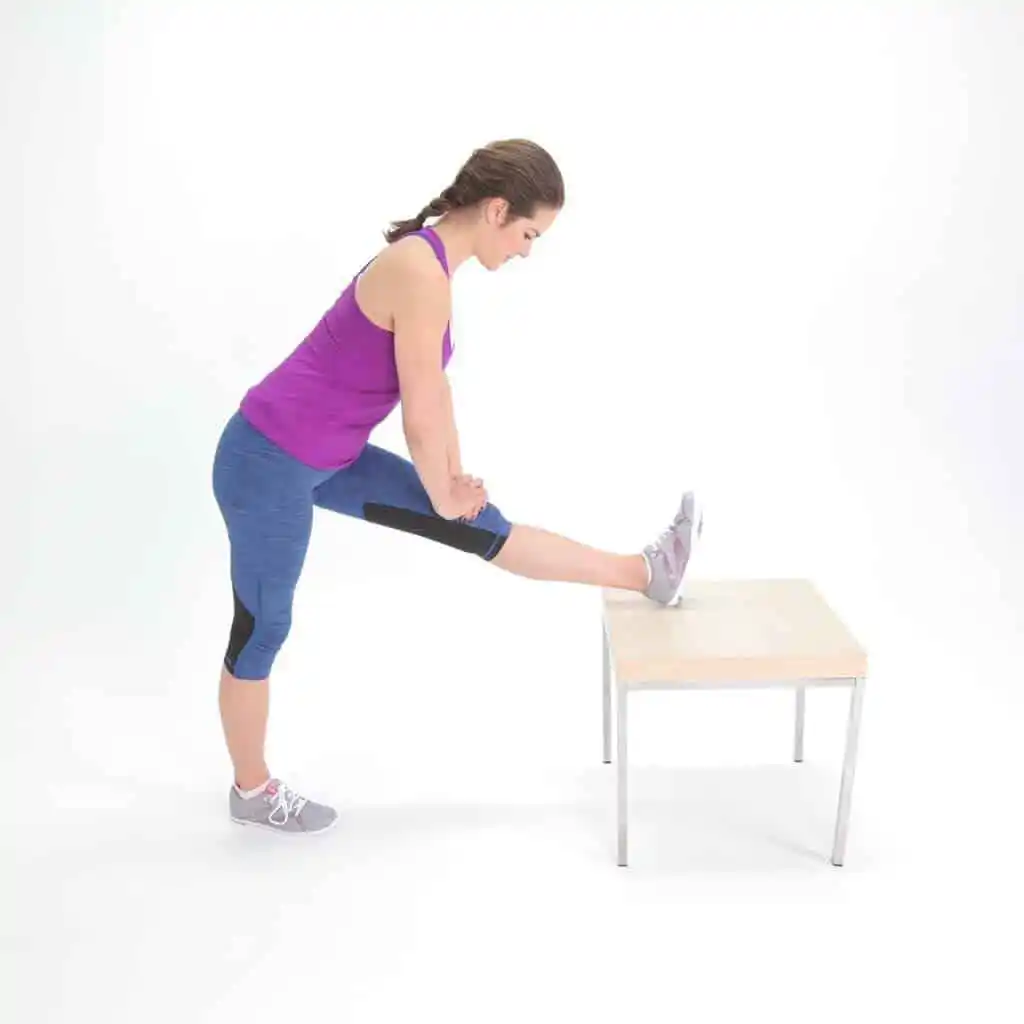
- Choose a table that is somewhat below hip height.
- Make your spine neutral and your posture good.
- Place the right leg on the table with the foot flexed so that the toes point up. When you are far enough away from the table, only the foot and part of the calf should come into contact with it.
- Bend forward at the waist to extend your hamstrings.
- To intensify the stretch, bend slightly forward and support yourself with your hands on the table or knee.
- Do the stretch for no longer than 30 seconds.
- With a 15-second break in between, perform three repetitions on each leg.
8. Foam roll hamstring stretch
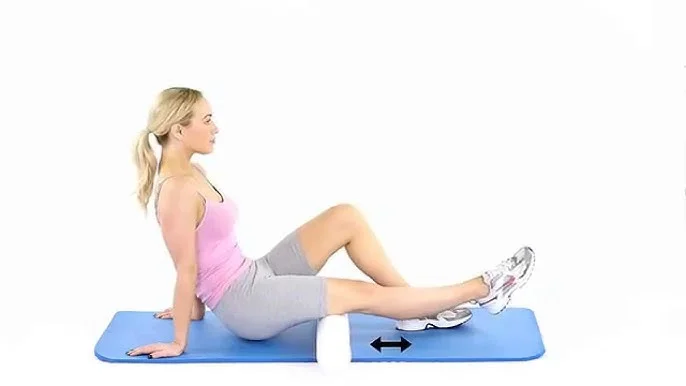
- Stand on the floor with your legs straight out in front of you.
- Place the foam roller flat under the hamstring of one leg while folding the other leg with the foot flat on the ground.
- Lift your lower back off the floor while maintaining your balance, keeping your hands flat on the ground..
- Use your body to make long, sweeping strokes that stop just short of your knee.
- Gently rotate the thigh to ensure the roller covers the right, left, and center hamstring muscles.
- Repeat the stretch with a different leg.
Benefits of hamstring stretches
Avoiding back pain
Tight hamstrings can strain the lower back by limiting the pelvis’s range of motion. The hamstrings may be strengthened and stretched to keep them from being too tight and to provide the pelvis and back more support.
Preventing injuries
The possibility of straining or ripping the muscle fibres during demanding physical exercises, like running, can be reduced by keeping the hamstrings flexible.
Increasing flexibility
Stretches for the hamstrings help enhance hip range of motion and build flexibility. Both of these advantages can make it easier for people to carry out regular activities like bending over and going upstairs.
Enhancing posture
The muscles cause the pelvis to rotate backward when the hamstrings are too tight. Poor sitting and standing posture may result from this flattening of the back’s natural arch. People may sit more erect and stand taller by keeping their hamstrings relaxed.
Massage therapy
Make an appointment with a certified massage therapist if you would prefer not to massage your hamstrings yourself. Massage therapists work with the body’s muscles and other soft tissues using their hands. Stress, pain, and tense muscles may all be alleviated with massage.
You may look for therapists in your region using the American Massage Therapy Association’s database or ask your primary care physician for recommendations. Certain insurance policies cover massage, but not all do. Before scheduling an appointment, give your provider a call.
Physical therapy
If your hamstrings are constantly stretched or tight, physical therapy (PT) can be the best option. To see a physical therapist, you might or might not require a referral. Before scheduling an appointment, it’s wise to verify with your insurance company. By looking through the database of the American Physical Therapy Association, you may locate nearby practitioners.
Your physical therapist could inquire about your medical history and your favorite sports or pastimes during your initial visit. They could also do tests to evaluate your hamstrings.
After that, your physical therapist will lead you through a range of exercises, stretches, and other therapies tailored to your unique requirements. Your specific goals will determine how many appointments you require. Incorporating the stretches you learn into your regular practice will also be asked of you.
Prevention
You may prevent tightness before it begins by doing a few things. Additionally, you might consult your doctor for particular conditioning activities that could be beneficial.
- Before participating in various sports or other strenuous activities, warm up. Walking, mild jogging, or simple exercises for at least ten minutes can help avoid hamstring strain.
- Tightness may also be avoided by performing regular hamstring stretches both before and after your activity. Before and after your sports or activities, try to stretch for three to five minutes.
- Maintain your body’s general strength, not only for the things you do.
- To restore and energize your muscles, eat a balanced diet and stay hydrated.
Conclusion
Don’t let tight hamstrings slow you down. You can maintain your muscles’ flexibility and readiness for action with a little gentle, loving treatment and frequent stretching.
Approximately three times a week, try to integrate various stretches into your regimen. Gently ease into stretches.
Don’t be reluctant to schedule a visit with your physician if you experience pain or have any other worries.
FAQs
How can tense hamstrings be released the quickest?
Combining PNF (contract-relax) stretching or active nerve glides with heat treatment or foam rolling is the quickest technique to release tense hamstrings. Compared to passive holding, this causes the muscle fibers to release tension considerably more quickly and resets the neurological system.
Why do hamstrings get so tight?
Rather than merely short muscles, extremely tight hamstrings are frequently caused by defensive muscle guarding, extended sitting, weak glutes, or nerve strain. The hamstrings overwork and lock up when the body is not supported by other areas.
Is it possible to treat hamstring tightness?
Yes, you may release tense hamstrings by combining appropriate stretching, active strengthening, and mild exercise. A multi-step practice works best since true hamstring tightness frequently results from weak muscles or too much sitting rather than merely short tissue.
What is the sensation of a pulled hamstring?
Pain in the back of your leg, stiffness, or a dull pull are all signs of a tight hamstring. It may cause your lower back or knees to feel tight during everyday activities like walking or standing up, and it restricts how far you can bend forward or straighten your leg.
Does excessive sitting lead to hamstring strain?
Excessive sitting shortens your hamstring muscles and puts persistent strain on your sit bones. Tight muscles, severe buttock pain, or high hamstring tendinopathy may result from this. If deep stretching hurts, avoid doing it. To allow the region to recover, move frequently and alter your sitting patterns.
What are the typical reasons for hamstring strain?
In order to protect your body from extended sitting, weak glutes, or nerve strain, your nervous system frequently keeps your hamstrings tight. This means that the tight sensation is a protective reaction rather than a short muscle.
References:
- Eske, J. (2024, January 19). What are the best stretches for tight hamstrings? https://www.medicalnewstoday.com/articles/323703
- Marcin, A. (2019, June 10). How to treat and prevent tight hamstrings. Healthline. https://www.healthline.com/health/tight-hamstring