Supination Lift Test
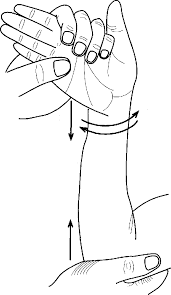
- This supination lift test helps in identifying the presence of disease in the triangular fibrocartilage complex (TFCC) Means.
- The dorsal triangular fibrocartilage complex, a peripheral, localized tear is also documented using the supination lift test.
- When doing the Supination Lift Test, the patient experiences pain while trying to lift the examination table by placing their palms on the bottom of the table.
- With the wrist joint in supination and stretched, this exerts a load across to the TFCC means a triangular fibrocartilage complex, creating the dorsal impingement. It is also helpful in the diagnosis of dorsal TFCC means triangular fibrocartilage complex tear & peripheral.
Table of Contents
What is the importance of the Supination Lift Test?
The triangular fibrocartilage complex, also known as the TFCC, is examined to diagnose the pathology using this supination lift test.
How do you check the Supination Lift Test?

- For the patient, sitting down is the test’s starting position.
- So that the patient is seated with their elbows bent 90 degrees and their forearms supinated.
- The patient is then told by the therapist (examiner) to lay their palms flat on the underside of a large, heavy table.
- The patient is then told to elevate the table by the therapist (examiner).
What is the result of this Test?
- Localized discomfort on the ulnar side of the wrist and difficulties exerting force are signs of a dorsal TFCC [Triangular fibrocartilage complex] rupture if the patient falls.
- A sign of TFCC tears is the patient experiencing discomfort when pushed to adjust their ulnar deviation, which results in ulnar impaction.
Key Research of the Supination Lift Test:
- This test is conducted on 180 wrist joints, which includes 180 patients and 100 cadavers, whose ages range from fetuses to 94 years old.
- According to this study, TFCC degeneration starts in the third decade of a patient’s life and gradually worsens in frequency and severity over the course of the following decades.
- The study found that there was no longer a typical appearance in the triangular fibrocartilage complex after the fifth decade of life.
FAQ
What is a supination lift test?
Supination test: With the forearms in a supinated position, the patient grasps the underside of a table, placing pressure on the TFCC and causing dorsal impingement, which will be painful if there is a peripheral, dorsal tear. Test your piano skills by placing both hands on a table and pressing your palms down.
What is the supination lift test used to determine the pathology of?
It is utilized to detect wrist triangular fibrocartilage complex tears and instability of the distal radio-ulnar joint.