
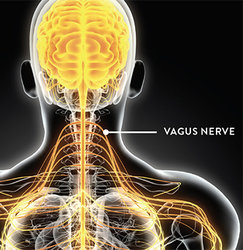
Vagus Nerve-10th Cranial Nerve:
Table of Contents
Vagus Nerve:
The vagus nerve is the longest and most complex of the 12 pairs of cranial nerves that emanate from the brain. It transmits information to or from the surface of the brain to tissues and organs elsewhere in the body.
Anatomy:
The vagus nerve has two bunches of sensory nerve cell bodies, and it connects the brainstem to the body. It allows the brain to monitor and receive information about several of the body’s different functions.
Upon leaving the medulla oblongata between the pyramid and the inferior cerebellar peduncle, the vagus nerve extends through the jugular foramen, then passes into the carotid sheath between the internal carotid artery and the internal jugular vein down to the neck, chest, and abdomen, where it contributes to the innervation of the viscera, reaching all the way to the colon. The vagus runs parallel to the common carotid artery and internal jugular vein inside the carotid sheath.The motor division of the vagus nerve is derived from the basal plate of the embryonic medulla oblongata, while the sensory division originates from the cranial neural crest.
Function
The vagus nerve has a number of different functions. The four key functions of the vagus nerve are:
Sensory: From the throat, heart, lungs, and abdomen.
Special sensory: Provides taste sensation behind the tongue.
Motor: Provides movement functions for the muscles in the neck responsible for swallowing and speech.
Parasympathetic: Responsible for the digestive tract, respiration, and heart rate functioning.
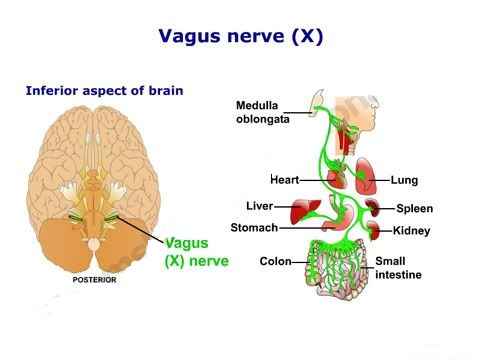
This means that the vagus nerve is responsible for such varied tasks as heart rate, gastrointestinal peristalsis, sweating, and quite a few muscle movements in the mouth, including speech.
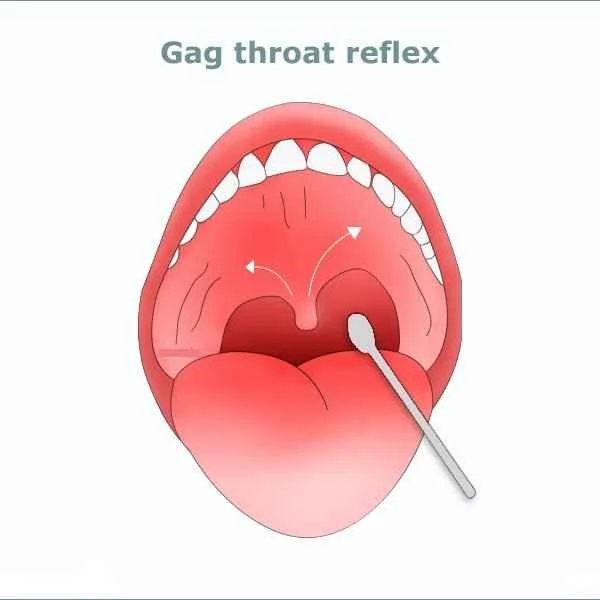
Efferent vagus nerve fibers innervating the pharynx and back of the throat are responsible for the gag reflex. In addition,afferent vagus stimulation in the gut due to gastroenteritis is a cause of vomiting. The vagus nerve also plays a role in satiation following food consumption. Knocking out vagal nerve receptors has been shown to cause hyperphagia (greatly increased food intake).
Testing:
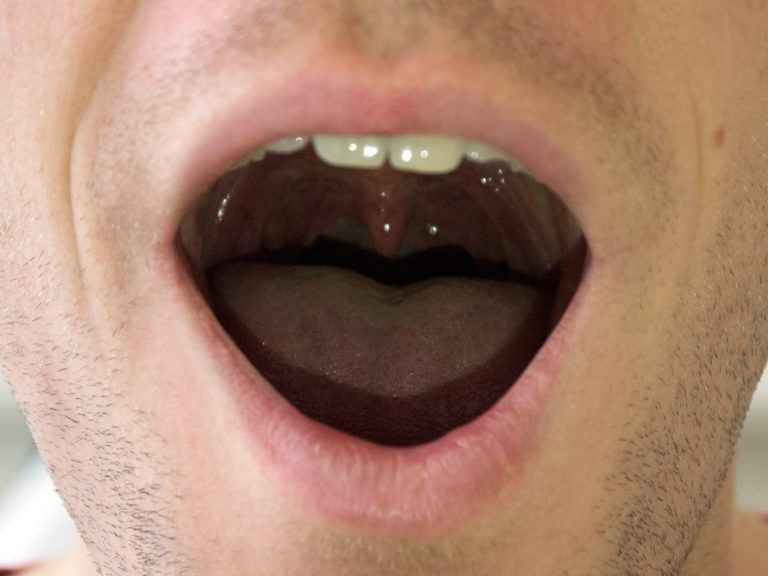
To test the vagus nerve, a doctor may check the gag reflex. During this part of the examination, the doctor may use a soft cotton swab to tickle the back of the throat on both sides. This should cause the person to gag. If the person doesn’t gag, this may be due to a problem with the vagus nerve.
The Vagus nerve is usually tested together with the glossopharyngeal and hypoglossal nerves. Instruct the patient to say ‘Ahh’ and assess the soft and hard palates, uvula, and tongue looking for any signs of deviations and/or asymmetries.
Test Findings:
Vagus nerve lesions produce palatal and pharyngeal paralysis, laryngeal paralysis, and abnormalities of oesophageal motility, gastric acid secretion, gallbladder emptying, and heart rate as well as other autonomic dysfunction. Palatal weakness can cause ‘nasal speech’ and nasal regurgitation of food. The palate moves asymmetrically when the patient says ‘Ahh’.
Recurrent nerve palsy results in hoarseness, loss of volume, and the typical ‘bovine cough’ presentation with regards Vagus lesions.
Nerve Damage:
Damage to the vagus nerve can have a range of symptoms because the nerve is so long and affects many areas.
Potential symptoms of damage to the vagus nerve include:
-difficulty speaking or loss of voice
-a voice that is hoarse or wheezy
-trouble drinking liquids
-loss of the gag reflex
-pain in the ear
-unusual heart rate
-abnormal blood pressure
-decreased production of stomach acid
-nausea or vomiting
-abdominal pain or bloating
The symptoms someone might have depended on what part of the nerve is damaged.
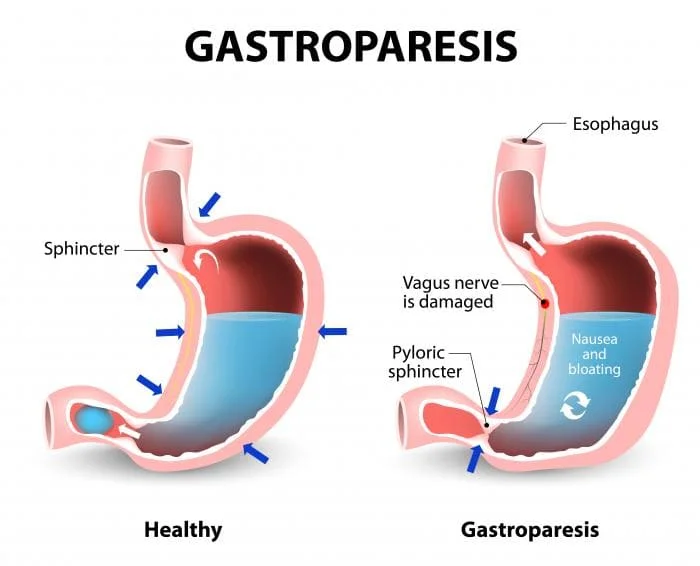
Gastroperesis:
Damage to the vagus nerve may also cause a condition called gastroparesis. This condition affects the involuntary contractions of the digestive system, which prevents the stomach from properly emptying.
Symptoms of gastroparesis include:
nausea or vomiting, especially vomiting undigested food hours after eating
loss of appetite or feeling full shortly after starting a meal
acid reflux
abdominal pain or bloating
unexplained weight loss
fluctuations in blood sugar
Some people develop gastroparesis after undergoing a vagotomy procedure, which removes all or part of the vagus nerve.
Vasovagal Syncope:
Sometimes the vagus nerve overreacts to certain stress triggers, such as:
-exposure to extreme heat
-fear of bodily harm
-the sight of blood or having blood drawn
-straining, including trying to have a bowel movement
-standing for a long time
Remember, the vagus nerve stimulates certain muscles in the heart that help to slow the heart rate. When it overreacts, it can cause a sudden drop in heart rate and blood pressure, resulting in fainting. This is known as vasovagal syncope.


9 Comments