
Small Intestine
Table of Contents
Overview
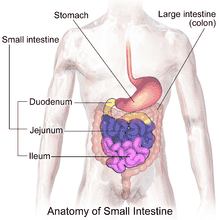
The small intestine is a vital part of the digestive system, playing a crucial role in nutrient absorption. Located between the stomach and large intestine, it measures about 20 feet long in adults and is divided into three sections: the duodenum, jejunum, and ileum.
The shortest duodenum is where preparation for absorption by small openings that resemble fingers, known as villi, starts. The cell membranes that line the jejunum are specialized germs that absorb materials through its lining soon after the duodenum’s enzymes have broken them down.
Structure of Small Intestine
Parts
- Duodenum: It’s an extremely tiny descending chute (about 10 inches long) that adopts a “C” shape around the pancreas before contacting the remaining section of the coiled intestines.
- jejunum: This remaining length is constructed from up to just over half of its central part, identified as the jejunum. The many arteries in the blood that give the jejunum its rich red tone are one of its distinctive characteristics.
- Ileum: The ileum has been determined to be the most extensive and last stage of the small bowel. Here, the blood flow gets reduced and the small intestine’s walls begin to thinner and narrow. The ileum is where food spends the bulk of its life span given that it absorbs the most water and nutrients.
The function of the Small Intestine
The intestines accomplish the following important roles:
- Digestion: Food gets chopped down in the intestines into smaller molecules so the bloodstream can absorb particles. The pancreas, the small intestine, and the large intestine organisms all generate enzymes that are involved in this process.
- Absorption: The nutrients from the food are consumed from the intestine and then transmitted to the liver for extraction and preservation.
- Elimination: Toxins, germs, and undigested food comprise some of the waste commodities that the intestine extracts from the body.
- Maintaining electrolyte balance: The digestive system helps maintain the physical body’s sodium, potassium, and corrosive imbalances.
- Regulating the immune system: Alongside bolstering the immune system, these bacteria aid in inhibiting the transfer of harmful infections.
Anatomy
The small intestine, which is also referred to as the “small stool, can be approximately twenty feet across and a centimeter in height. Its primary role is to absorb much of the water and nutrients that we acquire in the form of food as well as water from the outside world. The small intestine is separated into 3 sections by the tissue that borders them: the duodenum, jejunum, and ileum.
Blood supply
The superior mesenteric artery and the celiac trunk provide blood to the small intestine. Both of these are coronary branches. The superior pancreaticoduodenal artery obtains blood from the trunk of the intestinal tract to supply the duodenum, despite the inferior pancreaticoduodenal artery acquiring its blood from the superior mesenteric artery.
An anastomose is created when the anterior and posterior branches of these two arteries unite at the midline. Arterial arcades, which may grow several layers deep in the mesentery, were created by branches of the superior mesenteric artery. Vasa recta, or straight blood arteries, link the arcades opposite the ileum and jejunum to the organs themselves.
How do certain parts of the small intestine function independently?
- Duodenum The pancreas, liver, and gallbladder, among different digestive system organs, convey digestive juices to the small intestine to assist in the breakdown of nutrients. These organs’ ducts approach the duodenum. When food is present, hormone glands in the duodenum’s lining prompt these organs to release their products.
- Jejunum Food is combined with digestive juices during segmentation, which is caused by the muscles of the intestinal wall that are activated by nerves. Peristalsis, a further kind of muscular activity, keeps the food circulating forward gradually.
- Mucosa The walls of the small intestine are completely enveloped by a thick layer of mucosa inhabited by multiple creating and absorption glands. While absorbing nutrients from your food, the tissues in the ileum and jejunum secrete little quantities of lubricating mucus and digestive enzymes. Each portion is engineered for the incorporation of distinct nutrients and moisture. the digestion, it absorbs roughly ninety percent of the water that is restricted to it.
- Ileum Food waste is increasingly directed toward the large intestine by peristalsis, resulting in leftovers from segmentation in the ileum when it slows down. The valve is induced by nerves and hormones to open permitting food to pass through and to close to keep germs out. The ileum is lined with particular immune cells that function as bacterial protection.
Intestine Diseases
- Stomach flu (enteritis): The description of the “stomach flu” indicates an inflammation of the small intestine that can be caused by infection from bacteria, viruses, or other parasitic organisms. Vomiting and diarrhea may originate from intestinal inflammation.
- Small intestine cancer: A highly uncommon case of small intestinal cancer has been observed. Small intestine cancer is characterized by numerous subtypes of the disease.
- Carcinoid tumor: An insignificant intestinal tumor that could be malignant or benign. It is possible to acquire symptoms that involve skin flushing and diarrhea.
- Intestinal obstruction: A condition termed “intestinal obstruction” emerges when some parts of the large intestine, the small intestine, or both are twisted, obstructed, or just stop working normally. Constipation, vomiting, discomfort, and distension in the abdomen are only some of the symptoms that patients report suffering.
- Colitis: The “Colitis” is an infection of the colon. Infections and inflammatory bowel disease are the two primary sources of this illness.
Medical tests
- Small bowel X-ray series.
- CT scan.
- Endoscopic ultrasound.
- Video capsule endoscopy.
- Enteroscopy.
- Biopsy.
- Breath test for H. pylori infection.
- Breath test for SIBO.
FAQs
What contributes to intestinal complications?
Stress, eating a diet low in fiber, exercising frequently, and absorbing too much dairy products are the primary manifestations of digestive disorders.
How are your intestines wasted?
Drinking lots of water and staying hydrated are also great strategies to regulate digestion. Furthermore, it has been discovered that lukewarm water is good for digestion. Also, try eating a lot of meals that are high in water. This covers various kinds of fruits and vegetables, especially watermelons, tomatoes, lettuce, and celery.
What might damage somebody’s intestines?
Your intestines can be impacted by reduced blood flow, a low-fiber diet, food poisoning, gas, bowel sickness, and exercise.
Which foods are capable of purifying the intestines?
Foods that are helpful in intestinal cleaning include watermelons, avocados, broccoli, spinach, apple cider vinegar, apples, garlic, lemons, and juices.
How prolonged does intestinal regeneration take?
One of the human body’s most often switched surfaces is the inner coating of the small intestine, which produces new between two and four times per week. The reconstitution of the lining depends upon stem cells maintained in crypts, which are indentations that are spread around the inner wall of the intestine.
Which medical procedures interact with the intestines?
Endoscopic mucosal resection.
Small bowel resection.
Surgical bypass.
Ileostomy.
What precisely is the small intestine infectious illnesses?
Gastroenteritis.
Celiac disease.
Arteriovenous malformations.
Inflammatory bowel disease.
Small intestinal bacterial overgrowth.
Irritable bowel syndrome.
References
- NCI Dictionary of Cancer Terms. (n.d.-b). Cancer.gov. https://www.cancer.gov/publications/dictionaries/cancer-terms/def/small-intestine
- Professional, C. C. M. (2024b, June 21). Small intestine. Cleveland Clinic. https://my.clevelandclinic.org/health/body/22135-small-intestine
- Wikipedia contributors. (2024a, July 14). Small intestine – Wikipedia. https://en.wikipedia.org/wiki/Small_intestine
- The Editors of Encyclopaedia Britannica. (2024b, September 23). Small intestine | Digestive Function, Structure & Length. Encyclopedia Britannica. https://www.britannica.com/science/small-intestine


6 Comments