11 Best Osteoporosis Exercises For Seniors
Table of Contents
Introduction
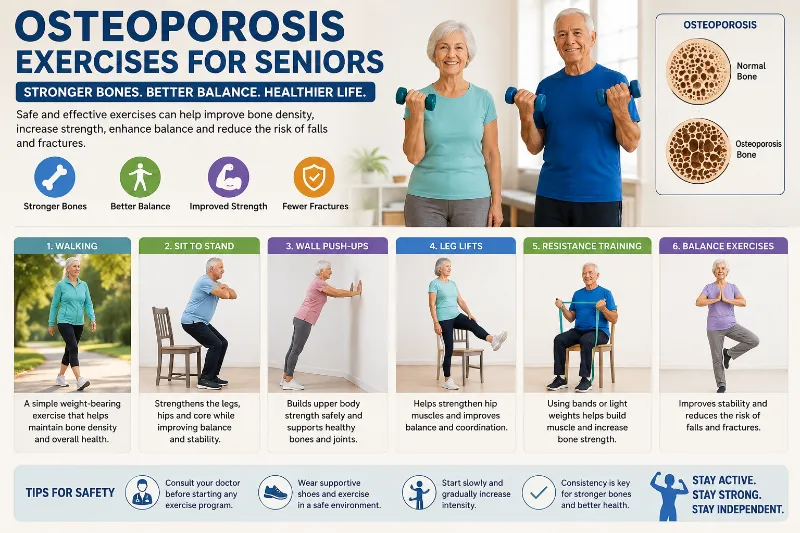
Senior osteoporosis activities aim to strengthen bones, improve balance, develop muscle, and lower the risk of fractures and falls. Maintaining mobility, independence, and general quality of life can be facilitated by Regular involvement in safe weight-bearing, resistance, and balance activities.
These workouts are crucial for controlling osteoporosis and promoting healthy aging when done appropriately and regularly.
What is osteoporosis?
Osteoporosis affects 10% of males over 75 and 25% of women over 75.
The condition known as osteoporosis (OP) causes bones to become brittle and weak, making fractures more likely than in a normal person. When bones lose minerals like calcium more quickly than the body can restore them, osteoporosis results. Bone density, or thickness, decreases as a result. Because of this, bones become less thick and thinner, and even minor bumps or falls can cause catastrophic fractures.
Both men and women can develop osteoporosis, but women are more at risk after menopause.
Early on, OP typically shows no signs or symptoms, and it can go decades without treatment. Unfortunately, for some people, bone fractures may be the first sign. Seniors are also more likely to experience fractures as they fall more frequently.
This occurs as a result of:
- Age-related alterations
- Changes in hormones
- A sedentary way of living
- Low consumption of vitamins
- Family history and genetics
How Does Osteoporosis Affect the Body?
There is more to osteoporosis than just an increased risk of fractures. Even a small fall or bump might cause long-term problems as bones weaken. Although it can weaken any bone in the body, osteoporosis primarily affects the hips, spine, and wrists.
Typical signs and outcomes include:
- Back pain caused by a collapsed or damaged vertebra.
- Diminished height with time
- Stooped posture.
- Unexpectedly, bones break more easily.
Osteoporosis can affect a person’s daily activities and mental health in addition to causing physical symptoms. For fear of falling, many elderly people may avoid certain motions, which ultimately results in lower levels of activity.
If I have osteoporosis, what can I do?
Maintaining bone health throughout your life requires a healthy diet and consistent activity. Exercise can significantly improve bone health, improve balance, and reduce falls, regardless of your worries about its potential effects on your body.
In what ways can exercise develop strong bones?
Weight-bearing exercises put stress on your bones and test your muscular strength against gravity. Your bones will therefore push your body to produce extra tissue in an effort to protect them. The following kinds of exercises fall under this category:
- Climbing stairs
- Jogging or running
- Dancing
- Weightlifting
- bodyweight exercises (push-ups)
- balance training exercises
Benefits of exercise
- Increase muscle strength.
- Improve balance.
- Decrease the risk of broken bones.
- Improve posture.
- Lessen pain.
Before beginning
See your doctor before starting an exercise regimen for osteoporosis. Certain testing might be necessary beforehand, such as:
- Measurement of bone density.
- Assessment of fitness.
What kind of exercise is appropriate if I have osteoporosis?
Exercise should be consistent (ideally three times a week) and somewhat demanding to impact bone. It is best to perform a variety of exercises since they provide tension to the bone in various ways. A leisurely one-hour walk is not as beneficial to bones as short, intense bursts of movement (e.g., 15 minutes of weightlifting or brisk walking).
It has been shown that the best results come from combining strength training exercises with weight-bearing and balancing exercises.
Exercises like walking, jogging, dancing, tennis, and weightlifting that require your body to support its own weight are known as weight-bearing exercises. These put strain on the bones, limiting bone loss and promoting the growth of new bone.
Activities that enhance muscle strength, balance, and coordination should also be included in fall prevention programs.
Seniors might attempt these at-home osteoporosis exercises.
Walking
One of the easiest strategies to promote bone density and general healthy aging is to walk. It improves movement and helps prevent falls.
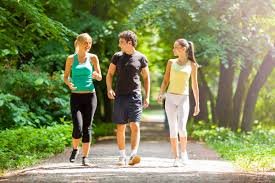
To help a loved one with this task, encourage them to:
- Put on non-slip, supportive footwear.
- Start with shorter distances and increase them gradually.
- Whenever possible, walk on level, flat surfaces.
- This exercise improves bone health and strengthens leg muscles, and is easy to incorporate into daily activities.
Foot Stomping
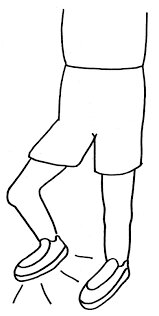
This workout aims to reduce the risk of osteoporosis by challenging the key areas of your body, such as your hips, where osteoporosis is most common. One method to strengthen your hip bones is to press your feet.
- Stand up and stomp your foot as though you’re breaking a can underneath it.
- Using one foot, repeat the exercise four times before switching to the other.
- Hold onto a railing or a large piece of furniture if you have trouble staying balanced.
Biceps curls
Dumbbells weighing one to five pounds or a resistance band can be used for biceps curls. You can do them standing or sitting, depending on which is more comfortable for you.
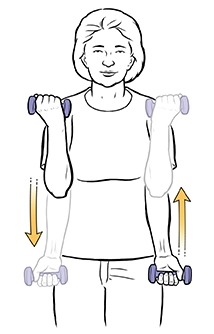
Biceps curls Steps:
- Hold one end of a resistance band in each hand, or take a dumbbell in each hand.
- The biceps muscles on the front of your upper arms will contract as you pull the bands or weights in toward your chest.
- Go back to your starting position by lowering your arms.
- Repeat eight to twelve times. Repeat the second cycle after taking a rest, if at all possible.
Shoulder raises
Weights or a resistance band are required for shoulder raises. You can perform this workout while sitting or standing.
- Hold one end of a resistance band in each hand, or take a dumbbell in each hand.
- Start with your hands by your sides and your arms down.
- Lift your arms straight in front of you slowly, being careful not to lock your elbows.
- Raise yourself to a comfortable height without going above shoulder level.
- Repeat eight to twelve times. Repeat the second set after taking a rest, if at all possible.
Hamstring curls
The muscles at the back of your upper legs can be strengthened using hamstring curls. This exercise is done while standing. Put your hands on a heavy piece of furniture or a similar sturdy object to improve your balance.
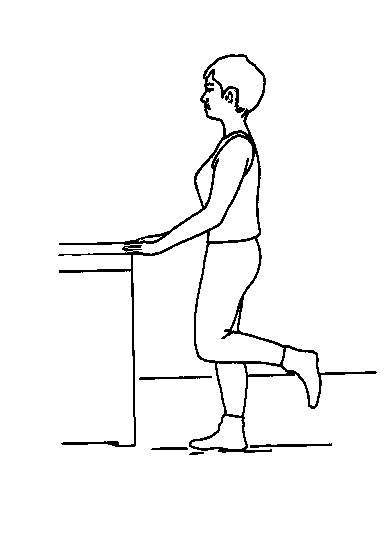
- Place your feet shoulder-width apart as you stand. Retrace your left foot until just your toes remain on the ground.
- Raise your left heel toward your buttocks by contracting the muscles at the back of your left leg.
- Back to your left foot to its starting position slowly.
- Repeat eight to twelve times. After taking a break, perform the exercise with your right leg.
Leg raises with the hips
This exercise enhances your balance and strengthens the muscles around your hips. Put your hands on a heavy piece of furniture or a similar strong object to improve your balance.
- Place your feet hip-width apart to start. Transfer your weight to your left foot.
- Lift your right leg to the side, no more than six inches off the ground, while flexing your right foot and maintaining a straight leg.
- Your right leg should be lowered.
- Do the leg raise eight to twelve times. Go back to where you started and use your left leg to complete another repetition.
Squats
Even if you don’t squat deeply, this exercise is still effective.
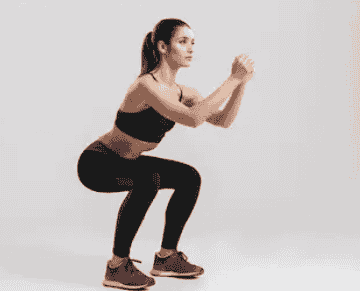
- Place your feet hip-width apart to start. Put your hands lightly on something strong, like equipment or a counter, to keep your balance.
- Slowly lower yourself by bending your knees. Feel your legs move as you lean slightly forward while keeping your back straight.
- Just squat until your thighs are parallel to the floor.
- To get back to an upright position, tighten your buttocks.
- Repeat eight to twelve times.
Lunges
You might improve your leg strength and balance with this practice. Ankle, knee, and hip muscles are used during lunges.
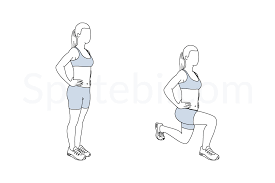
- Place your feet hip-width apart to start. Climb a table or part of the equipment if you need assistance with your balance.
- Step forward a little more slowly than you would if you were walking. Place one leg in front of you and the other behind you as you stand. Maintain a flat front foot on the ground. Your back heel will lift off the floor.
- Make sure your front knee is behind your toes and in the position of your ankle as you bend your knees to about a 90-degree angle. Keep your hips at a stable height while using your core. You should keep your back knee off the floor.
- To get back to a standing position, push off your front leg.
Standing on one leg
Your balance will improve with this exercise. Keep a strong piece of furniture close by if you need to grasp anything for balance while doing this exercise.
- If at all possible, stand on one foot for 30 to 60 seconds.
- For every leg, perform three repetitions.
Standing Heel Raises
Exercises that strengthen the calves and provide stability for more stable walking include standing heel raises.
To try this activity, ask them to do the following:
- Hold onto a strong chair or tabletop for support.
- Pull their heels off the ground gradually and stand on their feet.
- They carefully lower their heels.
- This method is easy for beginners and gradually increases flexibility.
Stretching
Stretching improves flexibility and reduces stiffness, which is particularly helpful for those with osteoporosis.
Help them to put this into their habit by suggesting safe alternatives like:
- Roll your shoulders gently to reduce tension.
- Stretching your hamstrings involves extending one leg and bending slightly forward.
- Stretch your sides to enhance your posture.
- Stretching prepares muscles for additional activities and aids in maintaining fundamental mobility.
Exercises to avoid
High-impact activities: Running, jogging, and jumping can all fracture weaker bones. In general, stay away from jerky, rapid movements. Choose exercises that call for deliberate, gradual motions. You might be able to participate in higher-impact activities than someone fragile if you are normally active and healthy while having osteoporosis.
Twisting and bending: In people with osteoporosis, bending forward and twisting at the waist can raise the risk of spinal fractures. Stay away from workouts like sit-ups and touching your toes. Sports that force you to bend or twist at the waist include golf, tennis, bowling, and different yoga poses.
Conclusion
Building and maintaining strong bones is one of exercise’s many health benefits. This is particularly important for avoiding osteoporosis or delaying the loss of bone in those who already have it.
You can perform certain at-home bone-strengthening activities, but first speak with your physician or physical therapist. They can help you create an exercise regimen that meets your unique health needs.