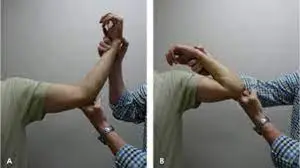
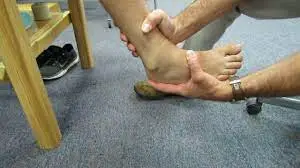
Disease

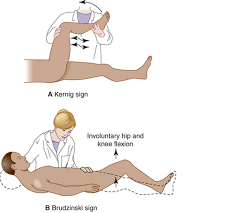
  • Brudzinski – Kernig test

    The Brudzinski and Kernig tests are two clinical maneuvers used to assess for signs of meningitis, a serious infection, or inflammation of the membranes surrounding the brain and spinal cord. These tests are typically performed during a physical examination and help evaluate the presence of meningeal irritation. Introduction One of the visible signs of meningitis is…

  • | |

    Botulism

    Botulism (Clostridium Botulinum) What is botulism (Clostridium botulinum)? What happens if you get Clostridium botulinum? Foodborne botulism Other sources of foodborne botulism involve: Infant botulism Wound botulism Iatrogenic botulism Adult intestinal toxemia botulism How common is botulism? What are the signs or symptoms of botulism (Clostridium botulinum)? Symptoms of infant botulism can involve: Symptoms involve:…

  • Headaches

    Description Headache is a very common condition that most people will experience several times in their life. The primary sign of a headache is a pain in the head or face. There are too many types of headaches and tension headaches are the most common. Although most headaches are not dangerous, some headaches can be…

  • Intermittent Claudication

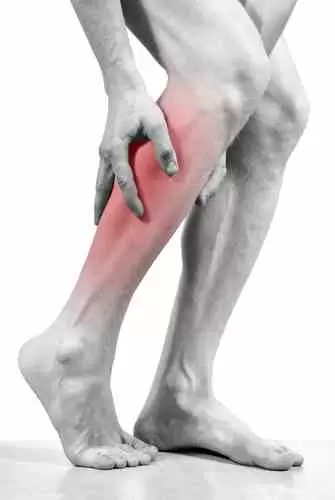
    Introduction Intermittent claudication is a medical condition characterized by pain and cramping in the legs during physical activity, such as walking or exercising. It occurs as a result of reduced blood flow to the muscles in the legs, usually due to narrowed or blocked arteries. Typically, it’s a sign of major health issues and consequences…

  • Prone instability test

    Introduction The Prone Instability Test (PIT) is a clinical assessment used to evaluate the presence of instability in the lumbar spine. It is primarily used by healthcare professionals, such as physical therapists and chiropractors, to assess patients with low back pain. The Prone Instability test is an orthopedic test used to evaluate radiographic lumbar instability,…

  • Beevor sign

    Beevor sign is a clinical examination maneuver used to assess the function of the abdominal muscles, specifically the rectus abdominis muscle. It involves observing the movement of the umbilicus (belly button) during a supine maneuver where the patient raises their head and shoulders slightly off the examination table. If the umbilicus moves upwards or deviates…