
Human Spine
human spine
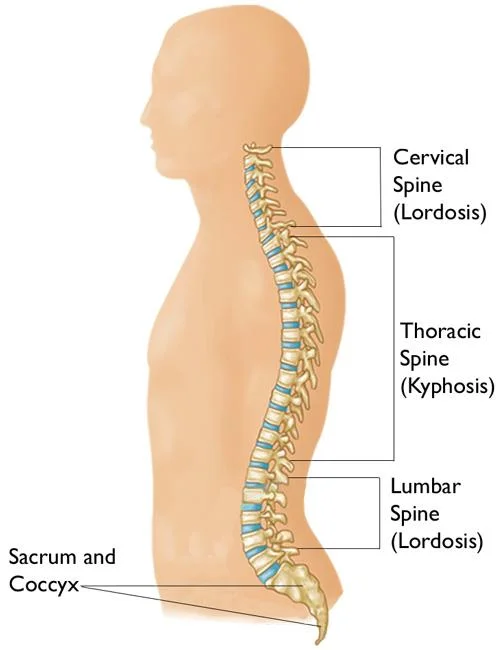
human spine
Introduction The skull is a bony structure that provides support to the face and creates a protective cavity for the brain. It contains many bones, which are created by intramembranous ossification, and connected by sutures (fibrous joints). The skull bones can be divided into two groups: The skull (which comprises the cranial roof and cranial…
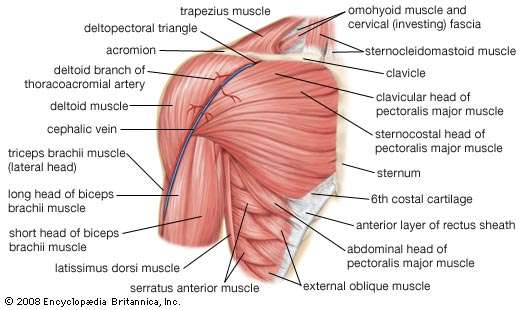
shoulder muscles
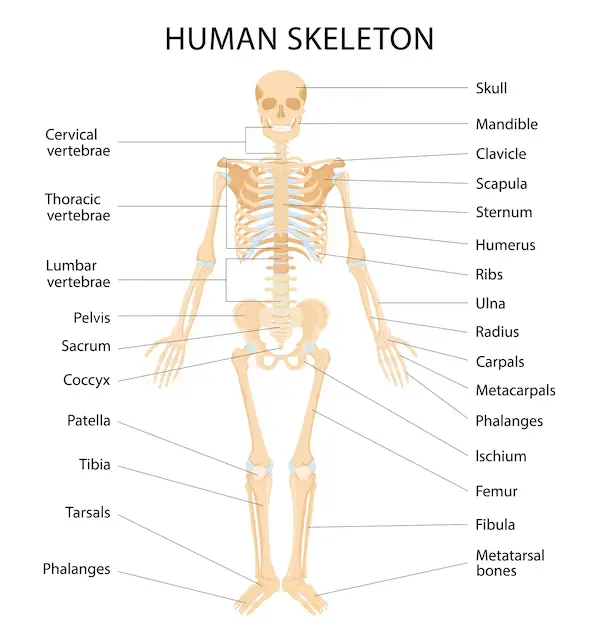
human skeleton
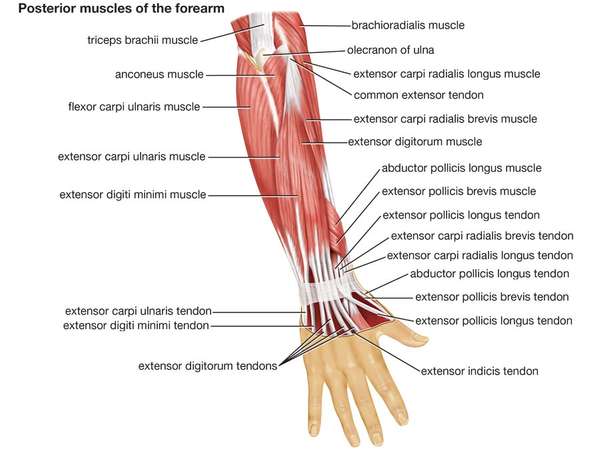
forearm muscles
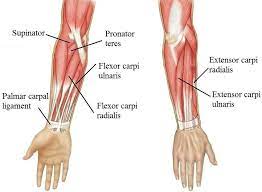
Introduction The wrist muscles are a group of muscles that are responsible for controlling the movement of the wrist joint. There are two main groups of wrist muscles: the wrist flexors and the wrist extensors. Both the wrist flexors and extensors work together to control the movement of the wrist joint and allow us to…
elbow muscles
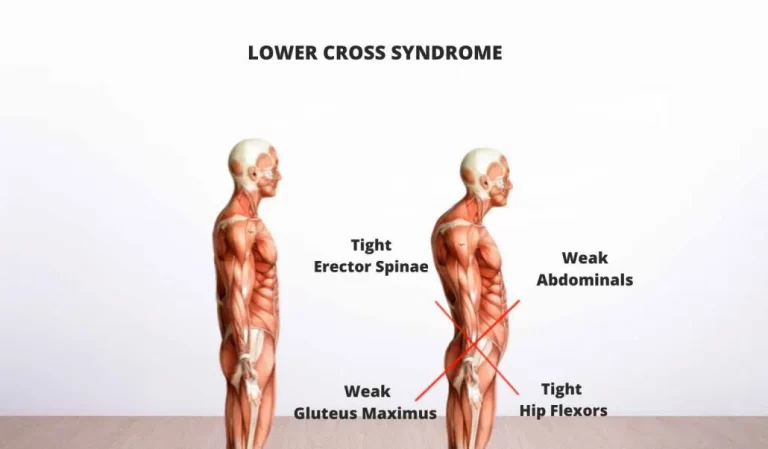
What is a Lower Cross Syndrome? The ‘Lower cross syndrome’ is sometimes referred to as the pelvic crossed syndrome, unterkreuz syndrome, or distal crossed syndrome. It occurs as a result of muscular strength imbalances in the lower body. These imbalances happen when muscles continue to shorten or lengthen in proportion to one another. Muscle weakness…
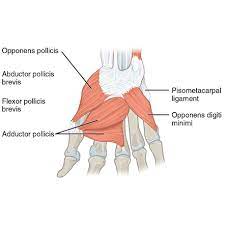
Description The thenar musculature is made up of 4 short muscles situated on the lateral aspect of the hand. These muscles are the adductor pollicis, abductor pollicis brevis, flexor pollicis brevis, and opponens pollicis. The thenar muscles work together to form the thenar eminence, a fleshy prominence on the radial side of the palm. These…
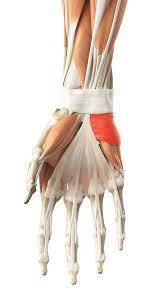
Description The palmaris brevis is a tiny quadrangular muscle in the hand’s hypothenar area. After all, in this place, the palmaris brevis is not a region of the hypothenar muscle group; instead, it is reviewed as an extremely superficial muscle of this area on its own. This muscle tightens the palmar aponeurosis, which is located…