
Bulgarian Split Squats
Table of Contents
Introduction
One leg is placed behind you and raised off the ground, typically on a bench, bar, or other surface, in Bulgarian split squats, a variation of the single-leg squat exercise. As a unilateral exercise, the Bulgarian split squat concentrates on strengthening one side of the body at a time.
It is frequently done to improve athletic performance, develop lower-body muscles, and aid in the recovery process following a lower-body injury.
What are the benefits of the Bulgarian split squat?
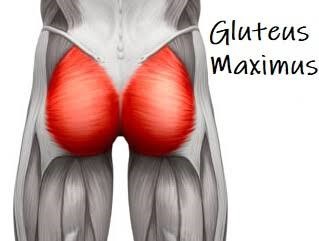
It uses the same muscles as a typical (bilateral) back squat, including the quadriceps, hamstrings, and glutes.
However, findings indicate that the Bulgarian squat might offer a few more advantages:
- Muscle activation: Compared to the back squat, Bulgarian split squats may be a better way to isolate the quadriceps, hamstrings, and glutes.
- Knee rehabilitation: If you’re recovering from a knee injury, Bulgarian split squats might be a better option because they put less strain on the knee joints than traditional squats.
- Hip extension: Compared to standard squats, Bulgarian split squats more effectively target hip extension, flexibility, mobility, and range of motion.
- Core strength: Bulgarian squats, a unilateral single-leg exercise, may more effectively engage the stabilizing muscles in your knee and core, enhancing your stability and balance.
- Athletic performance: Exercises that require unilateral movement, such as split squats, may help enhance athletic performance in swimming, running, jumping, and direction changes.
- Preventing injuries: A typical squat places a significant amount of strain on your lower back, which can increase the likelihood of injury. However, the Bulgarian split squat focuses on the legs by largely removing the lower back from the equation.
Although these advantages, bilateral exercises such as the classic squat might more effectively activate the neural system and eventually result in more pronounced gains in strength.
Therefore, you can benefit from both unilateral and bilateral lower-body exercises when you include them in your workout regimen.
What differentiates it from a squat with one leg?
- Both unilateral workouts that target the quadriceps and core and call for balance are the Bulgarian split squat and the single-leg squat.
- The stabilizing leg typically extends in front of you and is held in the air during a single-leg squat.
- However, your stabilizing leg is on an elevated platform behind you in a Bulgarian split squat. This can help you go deeper than you could with a single-leg squat, but it will need hip flexibility.
- Additionally, you could be able to lift more weight, which could lead to greater strength increases.
Do the Bulgarian split squats come in numerous varieties?
A Bulgarian split squat can be performed in two different ways:
Quad dominant and glute dominant.
- This depends on the location of your feet. Your glutes and hamstrings will be under additional strain if your front foot is farther away from the raised surface. You will be working your quadriceps more if it is nearer the elevated surface.
- Leaning your trunk forward is another way to focus more on your hamstrings and glutes. Your quadriceps will be worked harder if you keep your trunk more erect.
- Both versions are advantageous. Your personal tastes, objectives, and what seems more natural given your level of mobility and flexibility will all affect the variation you select.
- You can determine which variety is ideal for you by experimenting with each one.
Bulgarian Split Squats video
The Bulgarian split squat technique
Here’s how to do a simple Bulgarian split squat with your body weight and a bench that is slightly below knee height.
To move:
- To begin, place yourself two feet in front of a step or bench that is just below your knees.
Place the top of your right foot on the bench and raise your right leg behind you. Your left leg should be far enough in front of the bench for you to lunge comfortably, and your feet should still be shoulder-width apart. - Move around a little to find the right place if necessary. Just make sure your left knee doesn’t cross your toes when you lower yourself, if a closer foot posture works.
- Lean slightly forward at the waist and roll your shoulders back while using your core. Then, start bending your knee and lowering yourself on your left leg.
- A quad-dominant Bulgarian split squat should be stopped before the knee crosses the toes. When performing a Bulgarian split squat that uses your glutes, halt when your left thigh is parallel to the floor.
- To get back to standing, push up through your left foot using the strength of your hamstrings and quadriceps.
- Put your left foot up on the bench and switch legs after completing the required number of repetitions on this leg.
Start with two sets of six to eight repetitions on each leg if you’re new to Bulgarian split squats. This will help you become more comfortable with the exercise and build some strength.
Consider adding resistance with a dumbbell in each hand until you can perform three sets of twelve repetitions on each leg.
How can this be worked into your daily routine?
You can plan your workouts in a variety of ways throughout the week. This is frequently referred to as a workout split. A lower body exercise called a Bulgarian squat involves pushing your weight opposed to pulling it.
You may include Bulgarian split squats into your weekly practice in the following ways:
- Lower body day: To target the quadriceps, glutes, and hamstrings while concentrating on balance and core strength, including a Bulgarian split squat in your lower body day routine.
- Full body: As part of a full body workout, Bulgarian split squats can be combined with an upper body exercise in a superset. As an illustration, one superset might consist of Bulgarian squats, push-ups, and rest.
- Push day: Push-pull workouts consist of two different workouts: one day belongs to pushing exercises, and the other day is dedicated to pulling activities. Along with bench presses, shoulder presses, regular squats, and triceps pushdowns, Bulgarian split squats are appropriate for a push day.
To avoid injury, it’s crucial to warm up properly before performing Bulgarian split squats, regardless of how you choose to incorporate them into your training regimen.
What are the most common mistakes to look out for?
There are a few things to watch out for, even though the Bulgarian split squat action is simpler to learn than a standard squat.
- The position of your front leg is uncomfortable.
- You’ll have to hop around a lot to locate the sweet spot if your front foot isn’t positioned right.
- Keep in mind that you don’t want your foot either too close to the bench or too far away that your knee crosses your toes.
- Mark the floor with a dumbbell or small plate once you’ve determined the perfect spot so you can indicate upcoming sets.
- Your torso isn’t tilted
- Although a common moment for strength exercises is to keep your chest up, you want your torso to be tilted forward slightly for this move.
- Standing in a completely upright position can force your knee to pop out before you’ve reached optimal depth.
If you notice this happening, bend your waist until your torso reaches a 30-degree angle, then try again.
Which variations are you able to try?
Consider using resistance or additional props after you’ve perfected the bodyweight Bulgarian split squat on a bench. You can experiment with the following variations:
Barbell
- Do the same exercise with a barbell loaded on your shoulders and traps.
- Be careful when putting your foot behind you so that the extra weight doesn’t cause you to lose your equilibrium.
Dumbbell or kettlebell
- Do a Bulgarian split squat with a dumbbell or kettlebell in each hand.
- Although using a weighted variation could be simpler than using a barbell, your grip strength might be constrained.
Smith machine
- The Smith machine, also referred to as an assisted squat machine, will enable you to safely assess your Bulgarian split squat strength.
- Place the bar shoulder-high, slide under it, unhook it, and repeat the exercise.
Gym ball
A Bulgarian split squat is made more difficult by using an unstable surface, such as a gym ball (sometimes called a yoga or workout ball). As you squat, you might need to use more effort to maintain your equilibrium and stabilize yourself.
Resistance band
- With the grips held up at your shoulders and the elbows bent, place a resistance band beneath your front foot.
- Keeping the handles of the resistance band in place, squat down.
Conclusion
One kind of lower-body workout that may aid with balance and strengthen the legs and core is the Bulgarian split squat.
Before putting the Bulgarian split squat into your program, think about consulting a medical professional or personal trainer if you’re new to training or have an injury, such as lower back or knee problems. They could suggest variations to reduce injuries and assist in creating the ideal exercise program for you.
FAQs
What are the benefits of the Bulgarian split squat?
Bulgarian split squats have many advantages, such as increasing unilateral (single-leg) strength, resolving muscular imbalances, and strengthening the hips and core, which can improve balance, athletic performance, and lower the chance of injury. Compared to typical squats, this single-leg exercise may be less taxing on the lower back while simultaneously working the calves and core and efficiently targeting and strengthening the quadriceps, hamstrings, and glutes.
Can leg day be substituted with Bulgarian split squats?
Although being an excellent leg workout, Bulgarian split squats shouldn’t be used in place of standard squats. Alternatively, apply them to target the legs differently and supplement your standard squat exercise.
What mistakes are frequently made when performing Bulgarian split squats?
The height of your bench is hurting you. Your knee and hip flexors will be subjected to needless strain if your back foot is too high. …
It’s Too Near (or Too Far) Your Front Foot…
You Feel Horrible in Your Foot Position.
You’re moving quickly through the reps.
Are Bulgarian split squats inferior to lunges?
Lunges will increase your leg muscular endurance because they require you to move your body and muscles more than split squats. Additionally, the more you move, the greater your heart rate will be, which means that lunges will increase cardiac output.
How can I perform Bulgarian split squats for my glutes correctly?
Use a wider stance, push your torso slightly forward, and consider driving your hips back and then forward as you stand to work your glutes during a Bulgarian split squat. Press into your heel while keeping your knee in line with your foot. Keep from jumping at the bottom of the movement or allowing your front knee to pass your toes.
References
- Anderson, H. (2024, October 21). How to do Bulgarian split squats | Anytime fitness. Anytime Fitness. https://www.anytimefitness.com/blog/how-to-do-bulgarian-split-squats
- Mackey, E. R., & Riemann, B. L. (2021). Biomechanical differences between the Bulgarian Split-Squat and Back Squat. International Journal of Exercise Science, 14(1). https://doi.org/10.70252/ciyt8956
- Davis, N. (2025, April 23). How to do a Bulgarian split squat the right way. Healthline. https://www.healthline.com/health/fitness-exercise/bulgarian-split-squat
- Hyde, A. (2025, August 13). How to Bulgarian split squat properly: tips, benefits, and exercise variations. Gymshark. https://row.gymshark.com/blog/article/how-to-bulgarian-split-squat