
Muscle Cramp
Table of Contents
What is a Muscle Cramp?
A muscle cramp is a sudden, involuntary contraction of a muscle or group of muscles, often causing sharp pain and temporary stiffness. It commonly occurs in the legs, feet, or hands and can be triggered by dehydration, overuse, or electrolyte imbalances.
Muscle cramps can result from intense effort or exercise, especially in hot weather. Some treatments and disorders could also induce muscular cramping.
Generally speaking, muscle cramps are harmless. Most muscular cramps may be treated using self-care techniques.
Causes
Sweating out bodily fluids, overstretching a muscle, or just maintaining a position for an extended period of time can all cause a muscle cramp. However, the reason is frequently unknown.
The majority of muscular cramps are not harmful. However, some may be connected to a health issue, like:
- Inadequate blood supply. Leg and foot cramps during exercise may be caused by a narrowing of the arteries supplying blood to the legs. Usually, these cramps go away as soon as the exercise is stopped.
- Compression of the nerves. Leg cramps might also result from pressure on the nerves in the spine. Walking typically makes the ache worse. Cramping may be lessened by walking hunched forward, as when pulling a shopping cart.
- Minerals are insufficient. Leg cramps can result from a diet low in potassium, calcium, or magnesium. The body may lose these minerals as a result of increased urine caused by medications frequently administered for high blood pressure.
Symptoms
- A muscle that aches suddenly and sharply.
- A strong knot under the skin that is felt or visible.
- Stiffness or twitching of the muscles.
- weakness that lasts a short while after the spasm.
- Limited mobility in the affected region.
Risk Factors
The following factors may make muscular cramping more likely:
- Age. People lose muscular mass as they age. As a result, the muscles are less able to exert themselves and are more sensitive to stress.
- inadequate conditioning. Muscle fatigue occurs more readily when one is not in good physical condition for an activity.
- Excessive sweating. Muscle cramps are common in athletes who are fatigued and perspire a lot when participating in sports in warm weather.
- Pregnancy. During pregnancy, cramping in the muscles is frequent.
- Health problems. Muscle cramps are more likely to occur in people with diabetes or conditions affecting the thyroid, liver, or nerves.
- Weight. Muscle cramps might be more likely to occur in those who are overweight.
Treatment for muscle cramps
Stretching
It is typically possible to reduce or prevent muscular spasms by stretching the affected region. Stretches for your neck, back, thighs, and calves are listed below.
Muscle cramps in the calf
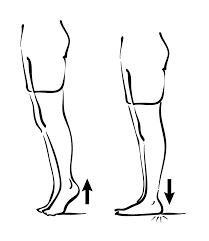
Affected muscle: Gastrocnemius and soleus (back of lower leg)
- Stretch Your Calf on the Wall
- With your hands on the wall and your arms out in front of you, face a wall.
- With the knee straight and the heel flat, take a step back with one leg.
- Slowly bend the front knee until the back leg’s calf begins to stretch.
- After 20 to 30 seconds of holding, release.
- Repeat each leg, repeat two to three times.
Cramps in the Hamstrings

The back of the thigh muscle is affected
- Hamstring Stretching While Seated
- With one leg bent and the foot against your thigh, sit on the floor with the other leg straight out.
- As you stretch your leg, maintain a straight spine and reach for your toes.
- For 20 to 30 seconds, hold.
- Do this two or three times.
Cramp in the quadriceps
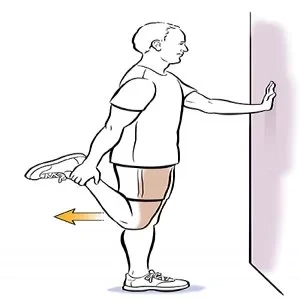
Affected muscle: The thigh’s front
- Quad Stretch in Standing
- Hold a chair or wall for balance while standing on one leg.
- Pull your heel toward your buttocks by grasping your ankle.
- Push your hips forward a little while keeping your knees close together.
- For 20 to 30 seconds, hold.
Cramp in the toe or the foot arch
Intrinsic foot muscles are impacted
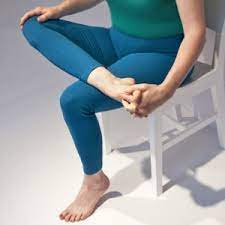
- Stretch for Toe Extension
- Place one ankle on the other thigh as you sit.
- Pull your toes gently back toward your shin with your hand.
- Use your thumb to massage the foot’s arch.
- For 15–20 seconds, hold.
- Do this many times.
Cramp in the forearm
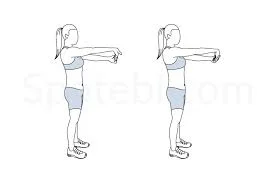
Affected muscles: The forearm’s flexors and extensors
Wrist Stretch
- Put one arm out in front of you, palm up.
- Pull the fingers back slowly with the other hand until your forearm feels stretched.
- For 15–20 seconds, hold.
- To extend the other side, repeat with the palm down.
Massage
Muscle cramps and other physical pain can be effectively relieved by massage.
Rub the spasming muscle gently.
Try firmly squeezing the region surrounding a recurrent back spasm and holding the squeeze for a few minutes. If you are unable to reach the region, you might need someone else to squeeze.
Ice or Heat
Using heat or cold treatment to treat pain and spasms can be very beneficial.
Apply an ice pack to the muscle many times a day for 15 to 20 minutes at a time if the spasm is chronic. You prevent the ice from touching your skin directly; be sure you wrap it in a small towel or piece of fabric.
Another option is to apply a heating pad to the region for 15 to 20 minutes at a time, followed by an ice pack. This is because heat can worsen inflammation even if it feels wonderful for pain. The irritation will go away with ice.
You may also relax your muscles by taking a warm bath, a hot shower, or, if you have access to one, a hot tub or spa.
Hydration
Hydration is another potential remedy for leg cramps. Although it may take a little longer, you can avoid another cramp after drinking water or an electrolyte-rich sports drink.
Mild exercise
Heel Raises
- Improves circulation and builds calf muscles.
- Maintain a shoulder-width distance between your feet.
- Climb slowly to your toes, hold for three seconds, and then descend.
- Do this 15–20 times.
Ankle Circles
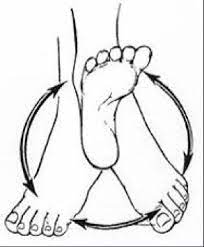
- Increases the lower leg’s flexibility and blood flow.
- With your legs outstretched, sit or lie down.
- Ten to fifteen times each, rotate your ankles clockwise and counterclockwise.
Bridge
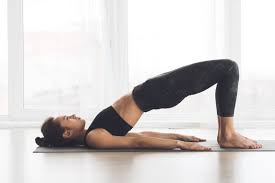
- Increases blood flow and muscular endurance.
- With your feet flat on the floor and your knees bent, lie on your back.
- Raise your hips gradually.
- Hold for five to ten seconds, then release.
- Repeat ten to fifteen times.
Prevention
There is insufficient evidence about the efficacy of treatments for preventing muscular spasms.
Experts advise the following if you have occasional muscular spasms and are otherwise healthy:
- maintaining hydration
- Stretching lightly both before and after exercise, and maintaining a nutritious diet
- According to a small study on runners, using compression stockings or Kinesio tape may help prevent leg muscle spasms.
To determine whether a certain activity is linked to your muscular spasms, you might wish to note when they occur. Modifying this activity may help prevent spasms in the future.
For example:
- After reading in bed, do you have back pain?
- If you’ve been standing or sitting in one, do your legs cramp?
- Do toe cramps result from wearing high heels or tight shoes?
- Which sleeping posture have you been using?
FAQs
Which deficiency causes muscle cramps?
Deficits in calcium, magnesium, potassium, and vitamin D can result in cramping in the muscles. Since these vitamins and minerals are necessary for both muscular contraction and relaxation, these shortages impair proper muscle function.
What exercise helps cramps?
Yoga, Sleeping Positions, and Sitting Positions to Help with Period Cramps
Try mild workouts like yoga, light aerobic, or walking to improve blood flow and produce endorphins, which will lessen cramping. Exercises like pelvic tilts improve circulation in the hip and pelvic region, which can greatly lessen period pain, while yoga postures like the Child’s Pose and Cat-Cow pose help relax the back and abdominal muscles.
Are cramps worse at night?
When you finally stop and lie down at the end of the day, your increased awareness may make menstrual pains appear worse at night. Painful nighttime periods can also be caused by your sleep position, hormone imbalance, lack of exercise, smoking, caffeine, food, stress, and mental health.
How to avoid muscle cramps?
Stretch frequently, especially before and after exercise, maintain a balanced diet high in electrolytes like potassium, calcium, and magnesium, and drink enough water to prevent muscular cramps. Wearing appropriate footwear, controlling your weight, and avoiding exertion in extremely hot conditions are further protective strategies.
Refrences
- Muscle cramp – Symptoms and causes. (n.d.). Mayo Clinic. https://www.mayoclinic.org/diseases-conditions/muscle-cramp/symptoms-causes/syc-20350820
- Hecht, M. (2023, March 24). 9 muscle spasm treatments. Healthline. https://www.healthline.com/health/muscle-spasm-treatment#stretches