5 Best Exercises for Posterior Pelvic Tilt
Table of Contents
Introduction:
Exercises for posterior pelvic tilt assist in strengthening the hip and core muscles, correcting pelvic alignment, improving posture, and lessening lower back pain.
Fortunately, by including particular stretches into your practice, you can fix these conditions. This article will examine some of the most effective stretches for improving posture and overall comfort, as well as fixing posterior pelvic tilt.
Whether you’re an office worker, a fitness fanatic, or someone looking for treatment from this frequent posture condition, these stretches can be your key to a healthier and more pain-free world.
When your pelvis tilts backward, away from its neutral position, it is referred to as posterior pelvic tilt. The front part of the hips tilts up and back, and the tailbone is tucked under the torso in this pelvic position. Lumbar lordosis, or the rounding of the lower spine, occurs due to the posterior pelvic posture and results in a flat back.
Correct Posterior Pelvic Tilt with Exercises
Posterior Pelvic Tilt Exercises:
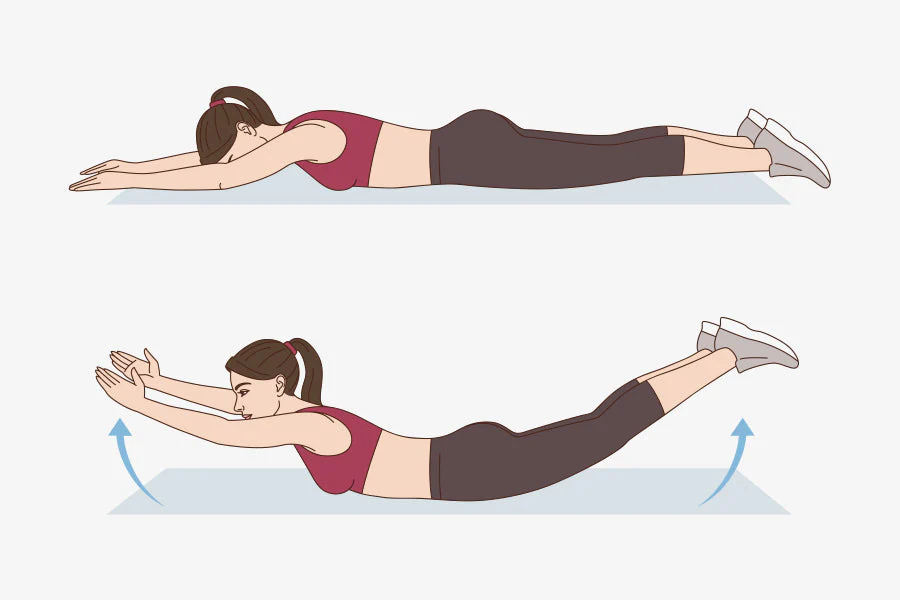
Superman Exercises:
Superman Exercise steps:
- The Superman Stretch begins with you lying on your stomach, arms extended above your head, similar to leg lifts.
- Raising your arms and chest during each repeat will give the impression that Superman is flying.
- Hold this position for 15 to 30 seconds.
- It is allowed to raise your feet to keep your body balanced.
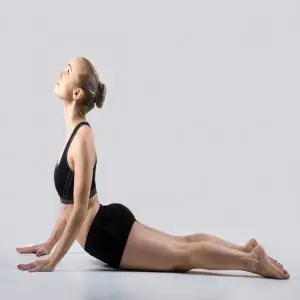
Cobra Pose:
- Place your belly down and lie on the mat.
- Point your toes, angle your legs to meet your hips, and inhale as you begin the next exercise.
- Gradually lift your shoulders off the floor until you feel a slight stretch. To expand your range of motion, take a breath as you apply greater pressure to the lumbar extension.
- Once you feel the extension in your back, carefully lift yourself off the ground by bending your elbows.
- For 15 to 30 seconds, support your weight with your hands and wrists, being careful not to lock your elbows. As you go into and out of the pose, take calm, deep breaths.
Glute Bridge Exercises:
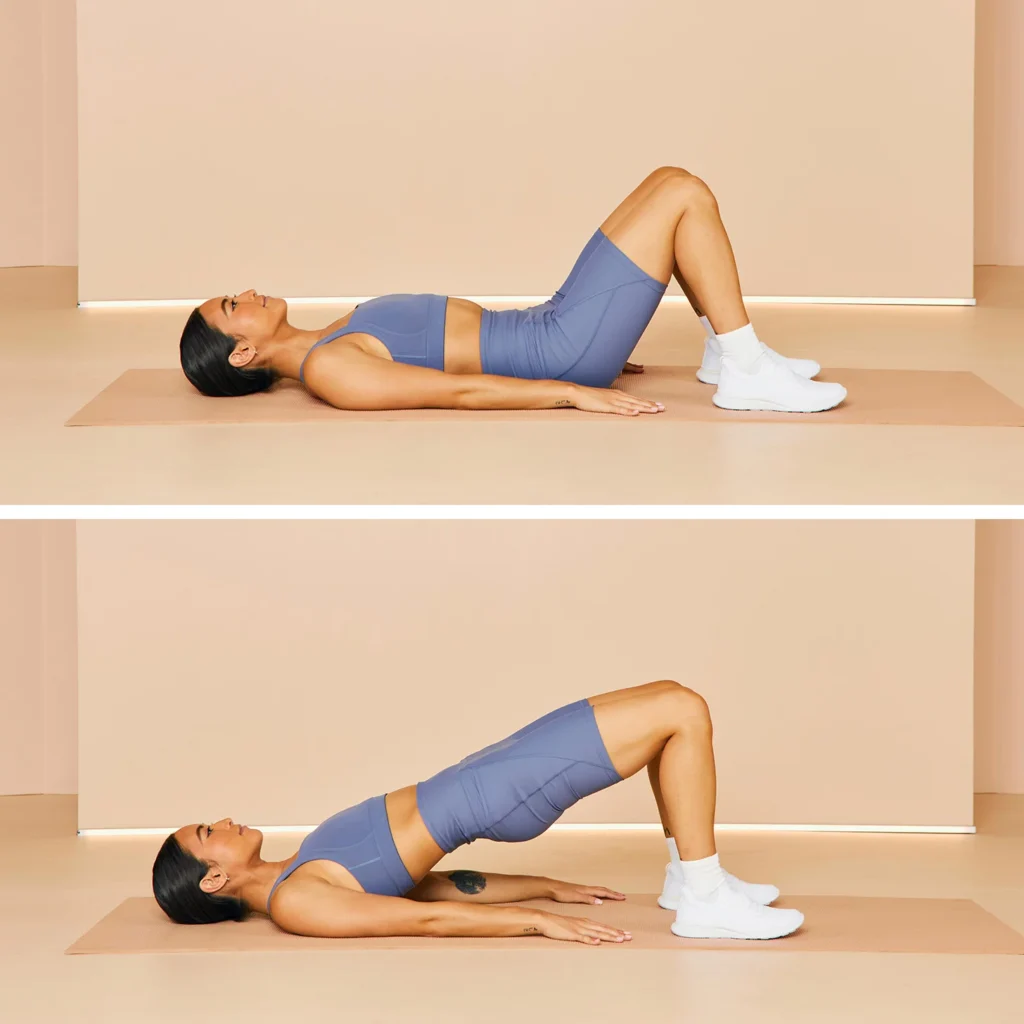
- Begin by lying on your back with your feet flat on the ground, your knees bent, and your arms by your torso.
- Brace your core and clench your butt before you move.
- While bracing, raise your butt off the ground and continue to squeeze it.
- Hold this position for five seconds, then gradually go back to the beginning position.
- Aim for ten repetitions.
Cat-Cow Stretch:
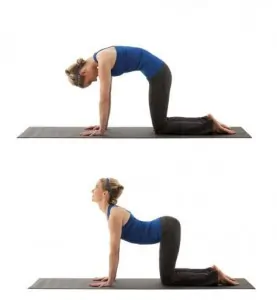
- Start on your hands and knees in a tabletop position with your knees beneath your hips and your hands immediately beneath your shoulders.
- Inhale, arch your back, and lift your chest and tailbone toward the ceiling. This is the “cow” stance.
- Exhale as you turn your back, tucking your pelvis down and lowering your chin closer to your chest (the “cat” position).
- Keep your breathing in time with your movements as you continue to alternate between the Cat and Cow positions. Follow this flow for one to two minutes.
Bird Dog Exercises:
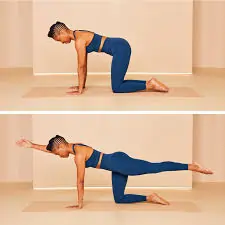
Bird Dog Exercise improves stability, balance, and spinal alignment and is a simple yet very effective core-strengthening exercise. It is commonly used to strengthen the shoulders, hips, lower back, and deep core muscles, and is often incorporated into yoga, exercise programs, and rehabilitation.
This exercise is especially beneficial for anyone with weak core muscles, poor posture, or back pain since it improves controlled movement and proper coordination. Regular practice of the Bird Dog exercise promotes a healthy spine, increases overall functional strength, and reduces the risk of lower back problems.
Conclusion
A posterior pelvic tilt occurs when the pelvis is positioned incorrectly, with the back of the pelvis inclined. It is caused by an imbalance involving the muscles in your legs and the muscles in your core, which are affected by the normal posture, movement patterns, and structure of your body.
Back pain, stiff hamstrings, and a hunched posture are some of the symptoms that can appear. Treatment may include workouts that target particular muscles as well as adjustments to sleeping and sitting positions.
FAQs:
Which muscles are weak when there is a posterior pelvic tilt?
A posterior pelvic tilt (PPT), which results in imbalances that push the pelvis backward and flatten the lower back, is caused by weak glutes, weak spinal extensors, and often tight hamstrings and abdominals. This position, which is common in sedentary lifestyles and strains the lower back, must be corrected by stretching tight hamstrings and abs and strengthening weak glutes and core.
Can squats be used to handle pelvic tilt?
Squats can help correct anterior pelvic tilt when done appropriately. They strengthen the glutes, hamstrings, and core muscles that are frequently weak in APT sufferers. However, if done incorrectly, they might make the tilt worse.
Are strained hamstrings the cause of posterior pelvic tilt?
Hamstring contraction results in posterior pelvic tilt, hip extension, and knee flexion. The anterior spinal components, including the intervertebral disc, are compressed as the lumbar spine flattens to a posterior pelvic tilt (hypolordosis).
What are the long-term effects of posterior tilt?
A posterior pelvic tilt results from the lumbar spine shifting into flexion and the usual lumbar lordosis being diminished as the pelvis rotates backward. This pelvic posture can lead to spinal misalignment, tight hamstrings, weakened muscles, especially abdominal muscles, and altered movement patterns.
For pelvic tilt, which exercise works best?
The best workouts for pelvic tilt focus on core strength, glute activation, and hip flexibility. While Bird-Dog (for stability) and Glute Bridges/Squats (for strengthening the posterior chain) help correct imbalances, especially for anterior tilt, and are often paired with hip flexor stretches like those in a lunge, the Basic Pelvic Tilt (lying down) is crucial for awareness. Consistency is crucial for improving posture as well as strength. The objective should be regular, controlled motions.
Which muscles are weak when the pelvis tilts posteriorly?
A posterior pelvic tilt (PPT), which results in imbalances that push the pelvis backward and flatten the lower back, is caused by weak glutes, weak spinal extensors, and often tight hamstrings and abdominals. This position, which is common in sedentary lifestyles and strains the lower back, must be corrected by stretching tight hamstrings and abs and strengthening weak glutes and core.
References:
- Cave, K. (n.d.). Posterior & anterior pelvic tilt: How do you fix it? https://blog.nasm.org/what-is-pelvic-tilt-how-do-you-fix-it
Purdie, J. (2022, June 22). 5 exercises to fix your posterior pelvic tilt. Healthline. https://www.healthline.com/health/posterior-pelvic-tilt - International Sports Sciences Association. (n.d.-a). 9 Best exercises for correcting posterior pelvic tilt | ISSA. https://www.issaonline.com/blog/post/9-best-exercises-for-correcting-posterior-pelvic-tilt
- Admin. (2021, March 25). Fixing posterior pelvic tilt. Starkwood Chiropractic. https://www.starkwoodchiropractic.com/fixing-posterior-pelvic-tilt/
- McQuilkie, S., DC. (2023, February 7). How to fix posterior pelvic tilt – Best stretches & exercises. PostureFlow (Formerly Back Intelligence). https://backintelligence.com/fix-posterior-pelvic-tilt/