
Dorsal Radioulnar Ligament
The dorsal radiocarpal ligament
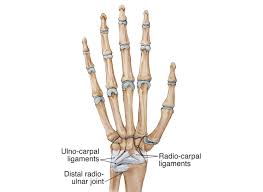
The dorsal radiocarpal ligament
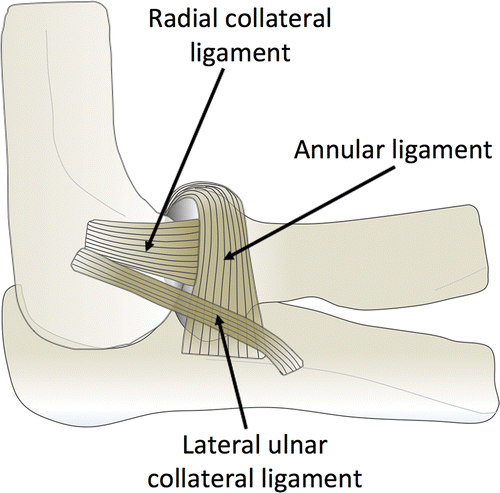
Radial collateral ligament

Definition Neuroplasticity, also known as brain plasticity or neural plasticity, is a fundamental property of the brain that refers to its remarkable ability to reorganize, adapt, and change throughout an individual’s life. Contrary to the traditional belief that the brain’s structure and functions remain fixed after a certain age, research has demonstrated that the brain…
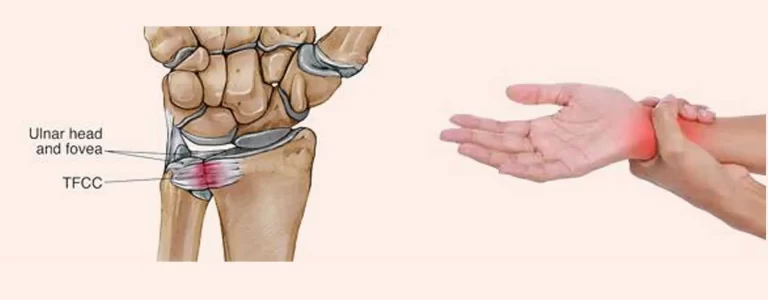
Introduction Between the lunate, triquetrum, and ulnar head lies a load-bearing structure termed as the triangle fibrocartilage complex (TFCC). The TFCC’s role is to stabilize the ulnar side of the wrist. The TFCC is endangered by both acute and long-term degenerative damage. Positive ulnar variation and forced ulnar deviation are linked to TFCC damage. Patients…
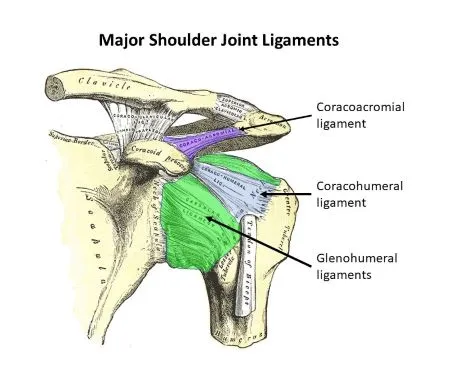
Glanohumral ligament
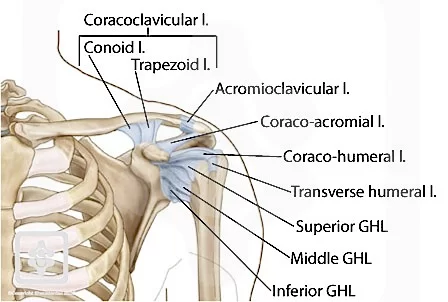
Introduction The transverse humeral ligament is a fibrous band that runs horizontally across the top of the shoulder joint, connecting the greater and lesser tubercles of the humerus bone. It forms a roof over the bicipital groove, which houses the long head of the biceps tendon. The primary function of this ligament is to hold…
Coracohumral ligament
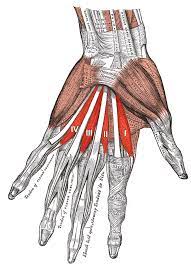
Description The lumbrical muscles are a group of four small intrinsic muscles located in the hand. They are named for their similarity to small earthworms or “lumbrical.” These muscles are responsible for various movements and functions within the hand. Because of their worm-like impression (lumbrical means earthworm in Latin), the 4 short intrinsic muscles of…
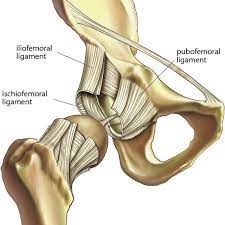
Iliofemoral ligament

Introduction The Pubofemoral Ligament is another important ligament that connects the pelvis to the thigh bone (femur) and helps to stabilize the hip joint. It is located on the front of the hip joint and is one of the strongest ligaments in the body. Injuries to the pubofemoral ligament can also cause pain, stiffness, and…