A Special test of the Circulation & Swelling
- These examinations are used clinically to evaluate hand edema.
- When there is swelling in the hand, a therapist or doctor will do this clinical examination.
- In the observation phase of the evaluation of the hand, this swelling is examined.
Table of Contents
Name of the special blood circulation and swelling test is:
- Digit blood flow
- Hand volume test
Digit blood flow Test:

- This digit blood flow is used to define the blood flow in the hand
What is the procedure for the digit blood flow?
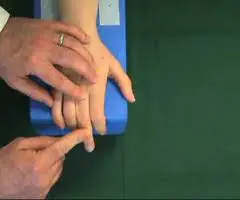
- In order to perform the test, the position of the patient is in seating position.
- The examiner (therapist) compresses the nail bed to measure the distal blood flow and records how long it takes for the nail’s color to recover.
- Normally, the color should return to the nail bed within 3 seconds of the pressure being removed.
- The fingers should be checked for arterial insufficiency if the recovery takes longer.
- The effect is a comparison with the normal side and gives some indication of the determined flow.
Hand volume test:
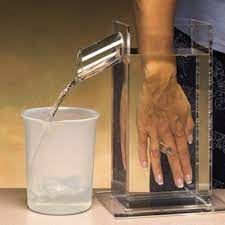
What is the importance of the hand volume test?
- This hand volume test is used to find out if the hand is swollen, edematous, or atrophy.
Hand volume test
- The position of the patient is in a sitting position.
- A volumeter may be utilized if the examiner (therapist) is worried about variations in hand size.
- This tool may be used to measure changes in hand size based on atrophy, widespread edema, or localized swelling.
- The examiner [therapist] can get an understanding of the changes taking place in the affected hand by making comparisons with the normal part.
- For accurate readings on this test, care must be used.
- The difference between the dominant and non-dominant hands, as well as between the right and left hands, is frequently 10 ML.