Author: Dr.Bhavika Kakadiya

  • Stomach

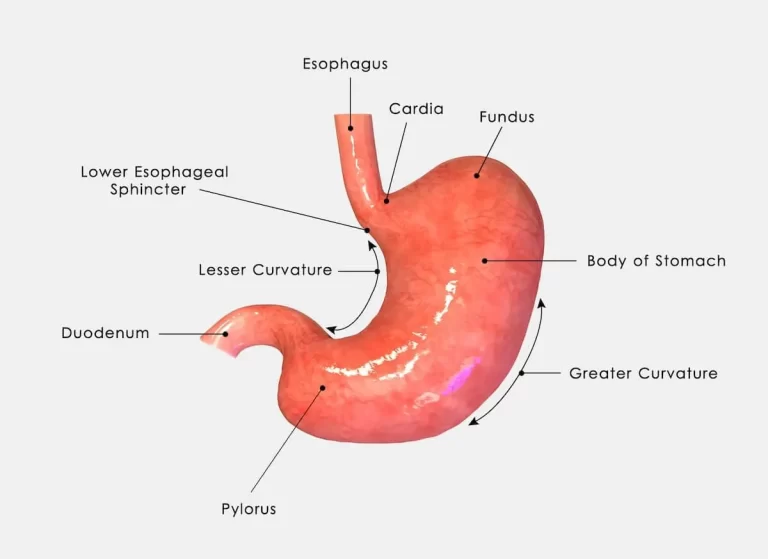
    Introduction The stomach is a vital organ in the digestive system responsible for breaking down food and initiating the digestion process. Located in the upper abdomen, it uses stomach acid and enzymes to transform ingested food into a semi-liquid form called chyme, which is then passed to the small intestine for further digestion and nutrient…
  • |

    Brain

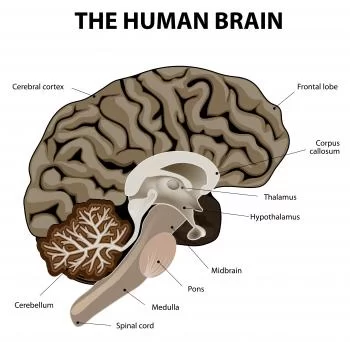
    Introduction The brain and spinal cord combined represent the central nervous system, known to be the most significant structure of the human nervous system. It interprets, integrates, and regulates the information it gets from the sense organs, picking which signals or impulses to relay back to the body’s additional systems. The first three years of…

  • |

    Muscle

    Introduction Every kind of muscle is associated with particular physiological research, pathologies, and biological factors. They maintain you in everything, such as rushing an endurance race while keeping your body still. Additionally, the organs’ function has been preserved with assistance from the muscle cells. Your heart pumps more than 100 times daily to keep you alive,…

  • |

    Heart

    Introduction The heart is a structure of muscle that collects blood from every part of the body that has lost oxygen and transports it to the lungs where oxygen becomes present and carbon dioxide is evacuated. Anatomy The left and right pumps, which supply blood to the pulmonary and systemic circulations, can be segmented into the…

  • |

    Lungs

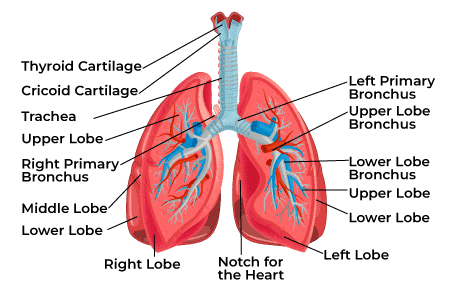
    Introduction and Location The thoracic cavity integrates a pair of conical in form organs called the lungs, which are needed for respiration. The heart as well as tissues in the mediastinum isolate the lungs from their counterparts. In a process identified as gas exchange, they serve the respiratory system by grabbing oxygen from the air shifting…

  • |

    Bone

    Introduction The Bone tissue has both stabilizing and motor activity. In terms of supplying the body’s physical structure bones allow muscles, tendons, and ligaments to connect to them, facilitating movement. Bone is a fibrous substance that contributes to metabolism, aids in motion, improves structure, and protects crucial organs. There are 206 bones in the skeleton of an adult…